Beauty A-Z: What Are Peptides? Meet The Unsung Heroes of Your Skincare Routine

In this edition of Hip & Healthy’s Beauty School series, we’re shining a spotlight on peptides – the cellular messengers that support firmness, smooth fine lines, and boost your skin’s resilience. Whether you’re looking to proactively maintain your glow or visibly address signs of ageing, peptides are the powerful, multitasking ingredients that deserve a front-row seat in your routine. Trust us, your skin will thank you later.

But what exactly are they and how should we be using them in our skincare routine? We tapped Jolanta Rusakoviene, Aesthetic Nurse and Founder of SkinVital Clinic, to find out everything you need to know. So, get ready to swot up on these must-have beauty ingredients and bag yourself an A+ when it comes to all things peptides.

What exactly are peptides and what do they do?
Peptides are short chains of amino acids, which are the building blocks of proteins like collagen, elastin, and keratin, all of which keep your skin firm, bouncy, and smooth. Think of them as little messengers: when applied topically, they can signal your skin to repair damage, produce more collagen, or strengthen the skin barrier. Over time this can mean firmer, plumper skin with better hydration and improved resilience against everyday stressors.

Can all skin types benefit from them?
Yes, peptides are one of the most universal skincare ingredients. Unlike actives such as retinol or acids that can cause irritation, peptides are usually very gentle and well-tolerated. That makes them a great option for sensitive skin or anyone who struggles with stronger ingredients. They are especially helpful for people starting to notice early signs of ageing, such as fine lines or loss of firmness, but they also work well for maintaining skin health at any age.

What’s the best way to incorporate them into a skincare routine?
Peptides work best in leave-on products such as serums and moisturisers, rather than cleansers that get rinsed away. The ideal way to use them is after cleansing, layered under your moisturiser. Because they’re gentle, you don’t need to worry too much about what you pair them with, as they combine well with hydrators like hyaluronic acid and brighteners like niacinamide. They can also help support the skin when you’re using stronger actives like retinoids, as they reinforce the barrier. Use them morning and evening for steady, long-term results.

What are the pros and cons of using them?
The biggest advantage of peptides is that they are effective without being harsh. They help with hydration, firmness, and barrier repair, all without the redness or peeling that can sometimes come with other actives. They are also versatile, so you will often find them included in formulas that target several concerns at once. The only real downside is that results are gradual, so they require consistency. They also work best alongside other active ingredients, rather than as the only step in your routine.

Are there any misconceptions about peptides you want to clear up?
A common myth is that peptides are the same as Botox in a bottle, but they do not work in that way. Botox freezes muscle movement, while peptides rebuild and strengthen skin over time. Another misconception is that a longer peptide list on the label automatically means a better product. What really matters is whether the formula is well put together and stable enough for the peptides to actually penetrate the skin.

Any other interesting facts people might not know about peptides?
Not all peptides are the same. Some stimulate collagen, some calm inflammation, and others act as antioxidants. Copper peptides are particularly popular, as they have been shown to support regeneration and repair. This versatility is what makes peptides stand out, as they can be used to target ageing, dryness, barrier weakness, and redness all in one go.

SHOP THE EDIT:

Ole Henriksen ‘Strength Trainer Peptide Boost Moisturiser’ – £42

The Ordinary ‘Multi-Peptide + Copper Peptides 1% Serum’ – £28.90

Paula’s Choice ‘Pro-Collagen Peptide Firming Eye Serum’ – £41

Q+A ‘Peptide SPF50 Anti-Ageing Facial Sunscreen’ – £15

Words by Frankie Jabarkhyl


Which Collagen Works Best for Keeping Skin Youthful?

It’s the not-so-secret secret to glowing skin, supple joints and strong hair: collagen has become the cornerstone of beauty and wellness routines worldwide. Once loved only by bone broth devotees and holistic health circles, this structural protein has taken centre stage in modern supplementation. But just like all supplements, not all collagen is created equal, and knowing how they work, which types matter, and what your body needs to get the most out of it is essential.

We sat down with experts Jo Woodhurst (Director of Nutrition & Education at Ancient + Brave), Dr Jenna Macciochi (Director of Science & Innovation), and Eleanor Hoath (Registered Nutritional Therapist), and looked at the latest research and product launches from leading collagen brands to unravel the science of collagen and discover which type works best for maintaining youthful skin.

What is Collagen and Why Does It Matter for Skin Health?

Collagen is the most abundant structural protein in the human body, making up around 30% of total protein. It’s what gives skin its firmness, bounce, and structure. It also supports joints, bones, connective tissue, and even hair follicles.

“Collagen forms a triple-helix matrix that supports skin elasticity, dermal strength, joint cartilage and even hair follicle structure,” explains Dr Macciochi. “As we age, collagen production slows, and environmental and lifestyle factors, like UV damage, inflammation and smoking accelerate its breakdown.”

Eleanor adds: “After the age of 25, the body’s natural collagen production begins to decline. This drop plays a role in the development of fine lines, wrinkles, and that gradual loss of skin elasticity many start to notice in their late twenties and beyond.”

Types of Collagen: What Should You Look For?

There are at least 28 known types of collagen in the body, but Types I, II, and III are the most relevant when we’re focusing on skin and connective tissue:

  • Type I – Found in skin, bones and ligaments; supports firmness and structure.
  • Type II – Present in cartilage; supports joint health.
  • Type III – Found in skin and blood vessels; adds elasticity and plumpness.

When choosing a supplement, look for hydrolysed collagen peptides. This means the protein has been broken down enzymatically into smaller chains (called di- and tri-peptides) for better absorption and bioavailability.

Collagen Brands Making Waves

With collagen’s popularity booming, several pioneering brands are setting the standard with high-quality, research-backed products.

  • Ancient + Brave use both True Collagen (EU-sourced bovine) and Wild Collagen (marine-derived from wild-caught North Atlantic fish). Both contain low-molecular-weight peptides and have been shown in independent trials to be equally effective for improving skin, joint and connective tissue health.
  • Vital Proteins, one of the most recognised names in collagen, recently revealed that while 84% of Brits know what collagen is, only 1 in 10 actually take it. Their research also highlighted widespread myths, from plumper lips to weight loss and breast enhancement, and showed that over half of people wrongly believe collagen isn’t needed until age 55, when in reality production declines from the mid-20s. Their messaging is clear: don’t wait until the signs of aging show – start supporting your collagen earlier.
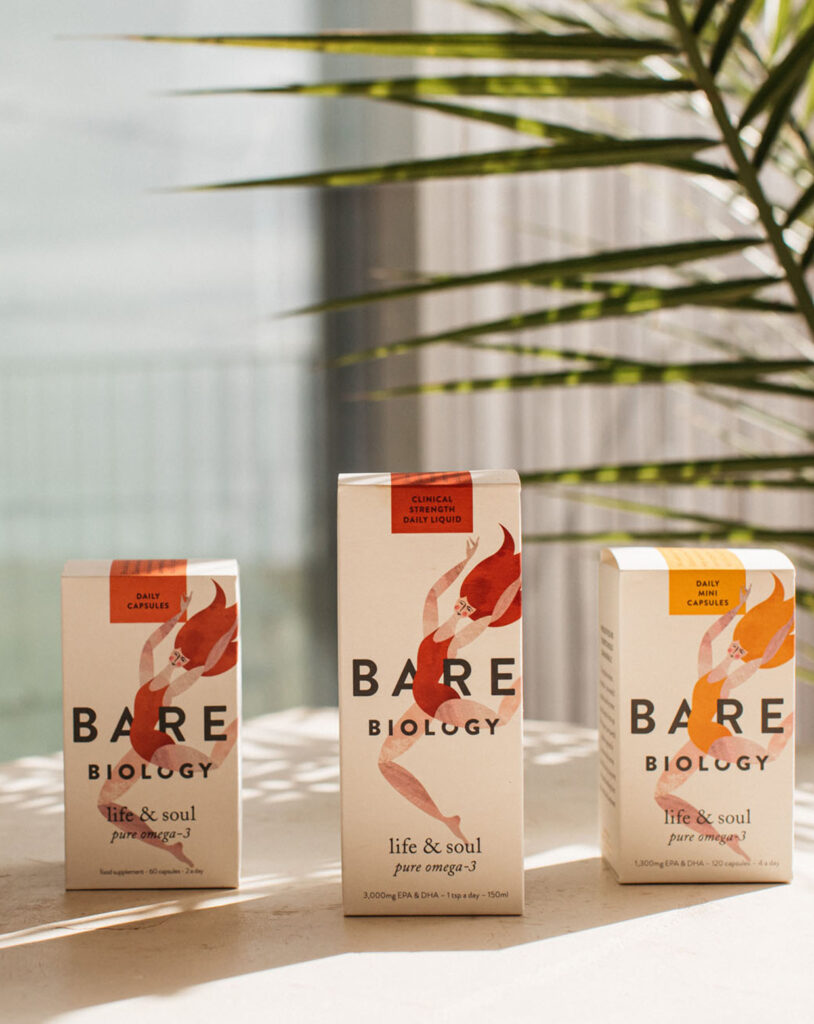
  • Bare Biology has launched Fundamental, a new Swiss-made bovine collagen combining both Type I and Type III. This formula directly supports skin’s structure and elasticity, making it a strong choice for those seeking visible improvements in firmness and plumpness.
  • Ape Nutrition take a holistic approach, rooted in a nose-to-tail ethos. Their collagen is hot and cold soluble, odourless, and flavourless, making it versatile for everything from smoothies to soups, while also championing the idea of using the whole animal for optimal nourishment.
  • Dr Seaweed have created a unique double-duty formula blending 5000mg of premium MSC-certified marine collagen with their iodine-rich PureSea® Protect seaweed. Thanks to the EFSA-approved health claims attached to iodine, it’s the only UK collagen brand that can legally claim proven benefits for skin health, hair growth and strong nails – combining collagen with natural micronutrients for enhanced efficacy.
  • Correxiko place a strong emphasis on purity and potency. With a range consisting of both marine and bovine collagen,  free from fillers, flavourings and sweeteners – appealing to those who want clean, clinical-grade formulations. Correxiko also highlights higher-dose collagen servings, designed for those seeking faster or more noticeable results.

Collagen in the Modern Diet: Why It’s Needed More Than Ever

Modern diets, focused on ‘lean’ cuts of meat, often miss out on the collagen-rich parts of animals (skin, cartilage, bones). This has led to a drop in collagen intake compared to ancestral diets.

“Simmering bone broth for 12 hours is wonderful, but not practical for everyone,” says Jo Woodhurst. “That’s where supplementation steps in. Collagen peptides can be stirred into your morning coffee or smoothie, creating a simple and sustainable daily habit. It’s ancestral nutrition, reimagined for the modern world.”

The Role of Vitamin C, Diet & Lifestyle in Collagen Production

Collagen doesn’t work in isolation; it needs supporting nutrients and lifestyle habits to truly thrive. “Your body can’t make collagen effectively without vitamin C,” explains Eleanor. “It’s a vital cofactor in collagen synthesis. That’s why foods like citrus fruits, red peppers and leafy greens are so important.”

Collagen is only found in animal tissue, so while plant-based blends may support collagen formation, they don’t contain collagen peptides themselves. “Let’s be clear,” Eleanor notes, “there is no vegan source of collagen. What’s marketed as vegan collagen is actually a mix of co-factors like vitamin C, silica, and antioxidants. Useful? Yes. But not collagen.”

The Sugar-Collagen Connection

One of the lesser-discussed disruptors of collagen is sugar. Specifically, refined sugar and processed carbohydrates. “High sugar intake accelerates a process called glycation, where sugar molecules bind to collagen fibres, making them stiff, brittle, and more prone to breakage,” explains Eleanor. “This weakens skin structure and leads to premature ageing.”

When Will You See Results?

While results vary depending on lifestyle, genetics and health status, consistent use of collagen peptides tends to produce noticeable changes over time.

  • 6 weeks – often the initial gut health improvements
  • 8 weeks – a noticeable enhancement of skin hydration and elasticity
  • 3–6 months – joint and connective tissue feels replenished
  • 12+ months – bone density and structural improvements

Ancient + Brave’s BECOME Study, an independent 12-week clinical trial, found meaningful improvements in skin, hair, nails, energy, sleep and recovery in participants who took their True Collagen daily. Similarly, clinical studies across the category confirm that hydrolysed collagen peptides improve skin moisture, reduce wrinkles and enhance elasticity when taken consistently.

Which Collagen Is Right for You?

Whether you choose marine or bovine collagen often comes down to personal preference. Marine collagen is prized for its smaller peptide size (slightly faster absorption) and suitability for pescatarians, while bovine collagen (often Type I and III) is a great all-rounder for skin and connective tissue.

  • For science-backed skin and hair claims, Dr Seaweed stands out.
  • For everyday, versatile use with a strong potency, Ape Nutrition offers practicality and purity.
  • For a focus on firmness and elasticity, Bare Biology’s Fundamental is ideal.
  • For mainstream accessibility and education, Vital Proteins lead the way.
  • And for sustainably sourced, clinically effective peptides, Ancient + Brave remain a trusted choice.

The Final Word: Youthful Skin Starts Within

Collagen isn’t a miracle, but it is a powerful ally in your long-term skin and wellness strategy. Combined with a nutrient-rich diet, balanced lifestyle, and mindful skincare, collagen supplementation can help restore what time and modern life gradually take away.

“When something ancient works so well in a modern context, we know we’re onto something,” says Jo Woodhurst. For many, that modern ritual begins with a scoop of collagen in their morning cup – and ends with glowing skin that radiates from within.


What’s New in the World of Wellness This October

Autumn is in full swing, and with it comes a fresh wave of wellness launches, treatments, and experiences designed to nourish your mind, body, and spirit. From smart skincare to plant-based dining, here’s what’s capturing our attention this month.

HOME is Here
London’s wellness scene just got a serious upgrade. Tucked away in the heart of Primrose Hill, HOME is the sanctuary we’ve all been craving, a space designed for movement, stillness, connection, and care. Founded by Jonathan Sattin, the visionary behind Triyoga, HOME reimagines what a wellness hub can be. More than just a studio, it’s a community – a place where yoga, Pilates, holistic treatments and even nourishing food come together under one beautifully designed roof. The Hip & Healthy team of already signed up to a number of their workshops. Serene treatment rooms offer everything from acupuncture and osteopathy to lymphatic drainage, Maya medicine and Ayurvedic facials, plus a far-infrared sauna and the plant-based Only Love Kitchen café.

Genaura Levagen+ Smart Face Serum
Meet Genaura’s latest launch: the Levagen+ Smart Face Serum (£294/30ml). Powered by PEA (Palmitoylethanolamide), this clinically-backed serum promises to transform stressed and tired skin. A study of 70 participants found noticeable improvements in hydration and skin tone in just four weeks. It strengthens the skin barrier, deeply hydrates, and targets visible signs of aging. Smart skincare, indeed. Available now at genaura.com.

Reflexology at The OWO
Raffles London at The OWO has partnered with world-renowned reflexologist Andrea Hurst, offering bespoke treatments at the hotel’s Guerlain Spa. Known as the “Reflexology Guru,” Andrea brings over 30 years of experience and a deeply intuitive approach, restoring harmony to the body through the feet. Treatments are tailored to each guest, targeting physical, emotional, and energetic wellbeing. More at andreahurst.co.uk.

Football-Wear for Girls 
Footballher is a new sportswear brand designed exclusively for women and girls. Founded by Connor Stanbridge, the range was inspired by his daughter’s struggle to find well-fitted, high-performance football clothing. The launch features the Core Training Collection (short sleeve top, training shorts, 2-in-1 shorts, ¼ zip top, lightweight jacket) alongside accessories including crew and grip socks, kit bags, water bottles, headbands, and caps. Stylish, functional, and inclusive football wear is finally here. https://footballher.co.uk/ 

Grubby x Mildreds
London’s iconic vegan restaurant Mildreds has teamed up with recipe subscription service GRUBBY to bring eight of their signature plant-based dishes into convenient meal kits. Available from 2nd October until 12th November, this collaboration allows you to enjoy Mildreds’ bold, globally-inspired flavours at home, with 25% off your first month. Recipes start at £41.25 for a 2-person, 5-recipe box. More info here.

Tonico Health & Performance
Opening in October in High Street Kensington, Tonico Health & Performance is a boutique gym founded by former wrestler and bare-knuckle fighter Giacomo Tonico. The Tonico Method combines science-driven, discipline-focused training with personalised coaching, tailored nutrition guidance, restorative massage, and a community-centered space. Memberships start at £150/month, with a discounted yearly rate of £120/month.

Bon Charge Red Light Toothbrush
Brushing your teeth just got smarter. The BON CHARGE Red Light Toothbrush combines sonic cleaning with dual-wavelength red and near-infrared light therapy, supporting gum health and cell vitality. Four modes allow personalised oral care, integrating red light benefits effortlessly into your daily routine.


The Hip & Healthy Guide to Mallorca

My love of Mallorca was cemented in this moment; Driving through the Mallorca mountains, down a winding one-track road. We parked amongst the hills on a whim, starting to walk following a barely visible arrow. Then out of nowhere the sea spread before us, an idyllic cove with two restaurants of sunset-watchers overlooking the beautiful turquoise sea. Sitting on the rocks staring at the scenery, bathing in the beautiful Mediterranean, sipping an Aperol playing cards to a soundscape like no other. This trip was an adventure into slow Mediterranean living – and the moments it offers you.

In this guide I’m sharing the best places to stay, eat, relax & recharge. Hotels that feel like home, and ones that show you what home could feel like. Food like nothing you have eaten before, art, candy in every vegetable bite… food to savour. Coffee shops for the digital nomads amongst us, and yoga studios that give you a glimpse into the spiritual and active part of the island. Places to explore that will inspire, and beaches to visit that give you the magic Mallorca offers if you slow down and let it.

Son Moli Country House

Where to Stay

Lean into the Slow Mornings with Son Moli Country House

The hotel Son Moli is in the countryside of Mallorca, 15 minutes outside of Palma in the ‘pla’ which is known as the orchard of Palma because of the many citrus trees that live there too. The entrance to the hotel sets the scene, beautifully manicured with a palm tree lined walkway inviting you in. The service is exceptional from the second you make first contact; the reception team organising your stay as you are welcomed by friendly staff with a drink in the main courtyard. 

The hotel is all about relaxation, encouraging the guests to lean into slower mornings, days by the beautiful garden pool, farm-to-table dinners and the daily comforts the hotel offers. Staying here for a few nights I saw this language translate off the page into the experience of the guests I was staying amongst. All of whom looked noticeably more relaxed leaving than they did on arrival. I too class myself amongst these guests. Having access to the city of Palma in just 15 minutes with the ability to retreat to the countryside is a gift this hotel offers. 

The food at Son Moli is special, thoughtful and unique on each day of the stay. Every morning the chef goes to the market and picks out the best, in season ingredients and the dinner menu reflects this excursion. With the sunset casting candy floss pink across the sky, we sat in the courtyard on our first evening to enjoy a delicious 3 course meal. A  zucchini, goats cheese & pine-nut salad followed by ratatouille, enjoyed with local Majorcan wine. Fresh, local and absolutely delicious. 

Son Moli

When you’re not enjoying the restaurant at Son Moli, or using the bedside buzzer at the pool to order an iced latte or a cocktail, you can explore the grounds. The hotel has a tennis court steps away from the main courtyard you can use, along with yoga mats to set-up in the garden or bring to the weekly yoga class offered. 

At Son Moli, you quickly feel at home. As a couple, with the family, little ones, or with your four-legged friends. All is welcome at Son Moli, to enjoy the perfect relaxing getaway.

Mirabó de Valldemossa 

Experience the most Romantic Hideaway at Mirabó de Valldemossa 

Perched in the hills overlooking the picturesque town of Valldemossa, Mirabó de Valldemossa is one of the most romantic hotels I have stepped foot in. Turning off the main road to the town and driving up a windy track until the trees clear and the air is crisper, you come to the hotel Mirabó, meaning ‘beautiful view’. The entrance sets the tone, as you feel like everything is quieter, and each noise comes into focus: the leaves blowing, birds chirping, the slow steps of the mountain goats from all directions. This continues into how the guests behave, whispering quietly as to not disturb the incredible peace this environment offers. A silent unspoken agreement, that adds to the romance of the place. The hotel is understated but with every detail perfected; a kitchen you can feel at home at, with a fridge full of drinks and snacks you can take at leisure, and note down on a scroll of paper. The dinner menu propped up for you to write down what you would like that evening for the chef. 

We wove through the building, past the incredible stone wine store, up some small stairs and through a door that opened into our bedroom where traditional Mallorca design, meets sleek modernism. A sandy coloured cement floor with beautiful wood walls and panelled ceilings. Out onto a private terrace, and up a flight of stairs to a large balcony with sweeping views. A short walk up to the pool, with an infinity edge that felt all the more magical every time a mountain goat hopped up to take a sip. Then down to the outdoor eating area with seats facing the magical town of Valldemossa (one of the joys of the hotel’s location is it’s proximity to this town).The food was incredible, we started with light nibbles and a glass of local red wine, followed by a ratatouille of slow-stewed summer vegetables, a vibrant Mallorcan salad layered with local produce, and a fragrant vegetable paella.

A place for connection, relaxation and easy exploration to the part of the island I loved the most; Deià, Sóller, Valldemossa.  This hotel is one I’ll remember forever; the perfect romantic getaway.

Can Bordoy House & Gardens

Experience a cityscape, with food to die for at the luxurious Can Bordoy House & Gardens.

A 5 star boutique hotel located in Palma’s old town, Can Bordoy Grand House & Garden is a sanctuary from the bustling city. Not far from the port, and close to the main shopping, you enter the hotel down a small street where you go through an open courtyard and into the main reception. There are 24 suites in the house, each unique, with a rooftop terrace to plunge in the pool, and watch the sunset over Mallorca’s city. One unique feature for this hotel is their magical “secret garden” the largest private garden in the city centre. Here you have a heated outdoor pool, and loungers, and the famous Botanic restaurant, for me, the calling card of this hotel. 

Delicious Dishes at Can Bordoy.

Botanic offers plant-forward gastronomy, the art of vegetables in their most delicious thoughtful form. Their courtyard dining sets the scene; romantic sweeping greenery and pebbles underfoot, a water fountain adding to the soundscape. The soft against the swish, with refined decor and fine-dining service. I tried Chef Andrés Benitez famous tasting menu. To start pita bread with dip from India to Mallorca; Spicy sauce of tomato of ramaellet, Apricot chutney from Porrers, Majorcan yoghurt. A pita-dip in essence sounds standard to many restaurants, which is why experiencing it like this feels all the more elevated. Two delicate appetisers of the day arrived first, a zucchini flower special and a refreshing cucumber bite. Next came the eggplant, parmigiana-style, paired with polenta, ratatouille, and a drizzle of cane honey. A standout was the tomato course: marinated in olive oil, served with its own tartare, and presented as a large tomato cloaked in a delicate tomato sorbet-like droplets. For the main, sweet corn took centre stage in a silky sauce with creamy purée, a crisp potato terrine, and fine slices of zucchini. Dessert was a bright finale of passion fruit sponge topped with beetroot granita. 

Food-as-art, but not too beautiful to eat, because you must devour and enjoy every mouthful here.

 Where to Eat

There are almost too many spots to choose from in Mallorca that have glowing reviews; but these are in my opinion the ones you can’t miss.

In Palma there is Mouna, a 100% organic field to table restaurant. The food is creative, and the transformation of the simple carrot is otherworldly. The restaurant is chic, and the ambience is wonderful. Located on a vibrant square in the heart of Palma. If “organic” and “plant based” isn’t for the whole party, this restaurant won’t disappoint. A few other spots in central Palma include; El Camino or OMBU for tapas, Ca n’Ela for vegan cuisine, and worth a mention again Botanic for fine dining. 

The town of Deiá is home to Nama an asian fusion restaurant with a breathtaking view. A regular sharing menu, and plant based sharing menu, this restaurant has it all. We had a selection of dishes, and all were a hit, in particular I recommend their vegan enoki mushrooms, signature pad Thai and panang curry & roti. Though, truly at Nama, you can’t go wrong.  If you want a fine dining experience in Deià, the famous El Olivo is next door at the Belmond, a romantic restaurant that has taken the internet by storm. And one, that you absolutely must book in advance.

For the perfect combination of vibrant brunch spot, great coffee and good co-working head to Cafe Batx in Palma. It became an almost-daily jaunt. Other good coffee shops include; La Molienda (two great locations in Palma, and one in Pollença). And a final coffee shop worth the visit is Barbaflorida cafè in Valldemossa, breathtaking views over a matcha. 

Can Borday Pool

Where to Relax and Recharge:

In Palma visit Sadhana Works, a space for yoga, sound baths and other movement events. I experienced Day Gomez’s sound bath here and only wished I had found this spot sooner to experience some of the yoga teachers. Nearby Yoga Del Mar offers outdoor classes on their Outdoor Yoga Platform by the Ocean.

Spend days at the beautiful beaches: Formentor beach is iconic for its white sand and turquoise waters, Cala Deià for a more rustic cove with two overhanging restaurants and bars to enjoy the scenery, Es Trenc is famous with a Caribbean-feel, and Portals Nous or Illetas is perfectly family friendly.

Towns to explore:

Visit the towns that make Mallorca so special. In the mountains, Deià enchants with its bohemian spirit and the hidden cove of Cala Deià. Nearby is Valldemossa  with it’s cobbled streets, flower-filled balconies and village bunting. A short drive away or via the wooden vintage train from Palma is Sóller with it’s boutiques shops and vibrant square and Port de Sóller with a promenade of restaurants..In the north, Pollensa tempts with its artisan shops and the climb up the Calvari Steps for sweeping island views, while neighboring Alcúdia preserves its medieval walls and Roman ruins, opening out to wide sandy beaches beyond.


The Life-Changing Benefits I Found When I Quit Drinking In My 40s

Better sleep, positive mood and less wrinkles, health entrepreneur, Charlotte Dormon, found life just got better and better after she quit drinking in her 40s

I’ve always been passionate about health and wellbeing. I studied nutrition and run my own health PR business. I eat well, exercise, take my wellbeing supplements, and do my best to prioritise sleep. But there was one habit that never quite fitted with the healthy life I was working so hard to create: alcohol.

Like most women I know in my friendship group, I started drinking when I was in my teens, and that carried on most weekends socially for years.  I grew up in an era when every work event, birthday, holiday, or celebration in general revolved around alcohol. And even though my drinking wasn’t a problem and I definitely drank way less than so many people I knew, just a few glasses of wine with dinner, or Friday night cocktails after work, it was enough to derail me.

Alcohol disrupted my sleep, spiked anxiety, worsened my endometriosis symptoms, and left me feeling groggy, flat, and unmotivated. I’d wake up at 3 am with palpitations, struggle through the following day with hangxiety, and spend far too much money on cocktails and Ubers. The fun part lasted a few hours; the fallout lasted days.

After returning and recovering from a very boozy weekend at Glastonbury festival, I said to my fiancé, “What if we just stop for good?” He seemed on board with the idea and had been thinking a lot  about it himself, so we agreed it made no sense to us anymore, it was not making our lives any better, and decided to give it up for good. The relief I felt was instant. No more dread before social occasions, no more wasted weekends, no more internal bargaining. Just freedom to feel good. 

But here’s the truth: quitting alcohol isn’t easy. The hardest part wasn’t necessarily missing the wine itself, it was dealing with the questions: “Why aren’t you drinking. Do you have a problem?” “Are you pregnant?” “Go on, just have one!”. I had to get really clear on why I was doing this and how I would stick to it. That’s when I created a plan that worked and it changed my life. Firstly, I got very clear on precisely what alcohol was doing to my health. Because even small, regular amounts of alcohol can take a toll.

Here’s just part of a long list that might make you also think twice: 

Sleep disruption: Alcohol reduces REM and deep sleep, leaving you tired and wired.

Hormonal imbalance: Raises cortisol (stress hormone) and disrupts oestrogen and progesterone – worsening PMS, perimenopause, and mood swings.

Anxiety & depression: Alcohol is a depressant. It lowers serotonin and dopamine after the initial buzz, leading to the dreaded hangxiety.

Skin ageing: Alcohol causes oxidative stress and inflammation, which accelerates the ageing process by breaking down collagen and elastin. Result? Fine lines, wrinkles, sagging, and dull skin. 

Dehydration & puffiness: Pulls water from skin cells, leaving skin dry, puffy, and lifeless.

Blood sugar spikes: Alcohol destabilises blood sugar, causing cravings, mood crashes, and weight gain around the middle.

Gut health: Damages the gut lining and microbiome, reducing nutrient absorption and weakening the immune system.

Nutrient depletion: Lowers levels of key nutrients like B vitamins, zinc, and magnesium, essential for energy, skin, and mood.

Liver health: Overworking and overstressing the liver, leading to fatigue and reduced detox capacity, which then increases headaches, bloating and PMS. 

Here’s exactly what worked for me to quit alcohol for good:  

Step 1: Master Your Mindset
Mindset is everything. I had studied NLP (Neuro-Linguistic Programming) and had been fascinated by its profound power to change people. To rewire my thinking, I made two lists that would help me move forward with my goal.

List one: I wrote out all the reasons alcohol didn’t serve me; poor sleep, anxiety, PMS, endometriosis flare-ups, bloating, low mood, lost weekends, weaker immunity, wasted money, low energy, weight gain, feeling out of sorts and lack of focus on goals and dull, tired skin. 

List two: I wrote out all the reasons I loved being alcohol-free; waking up fresh, glowing skin, deeper sleep, positive moods, mental clarity, more energy for pilates, yoga and morning walks, a calmer nervous system, and more money in the bank. There was an endless list of things that I loved about being alcohol-free, and as I wrote it out, I felt excited just imagining how much more of it I could experience. 

I printed them out and stuck them on the cupboard above my kettle, the first place I go morning and return to at night. Every morning, while I made my tea or coffee, I read them out loud while the kettle boiled. In the evening, I did the same with my bedtime tea. This daily ritual was so incredibly powerful for me. It wasn’t just about reading words on a page, it was about retraining my brain. In those first 30 to 90 days, repetition was everything. It built new thought patterns, so I didn’t need to rely on willpower. Instead of constantly resisting temptation, I was shifting from within. I went from feeling a bit apprehensive about giving it up entirely to being totally motivated and super excited about transforming my life for the better. 

I also used affirmations. Instead of saying “I can’t have a drink,” I repeated phrases like:

  • I love not drinking alcohol, it’s such a great decision.
  • I feel so good without hangovers.
  • I love waking up with energy and clarity.
  • I love being sober. I feel free. 
  • I love that I’ve so much more money in my bank and time to do more of what I love to do.

Although it may feel repetitive and hard work at first, just like building a muscle, the more I repeated them, the stronger they became. Over time, these weren’t just words I told myself; they became my truth. And that’s the key. Using willpower alone will always feel like a struggle. But when you change your mindset, you change your identity. You stop being someone who’s “trying not to drink” and become someone who genuinely doesn’t want to.

Step 2: Find Replacements You Actually Enjoy
If you take something you enjoy away and a habit you have had for years, you may need to add something else in its place. Otherwise, you can sometimes feel a little deprived. When it came to drinks, I made sure I had options that felt special. Years ago, when I first thought about quitting, the choices were dismal; soda water, tonic, Diet Coke. I genuinely liked the taste of wine and beer, so it felt really hard.
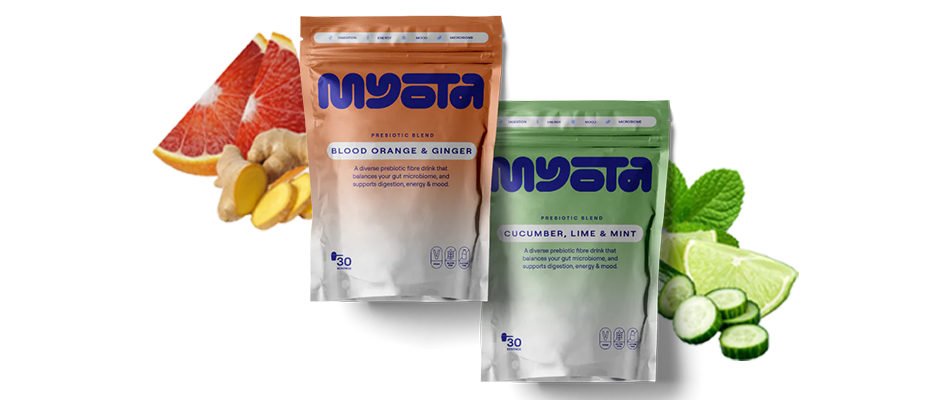
These days, it’s a whole new world for us booze quitters! There are grown-up, delicious, alcohol-free drinks for every mood and moment. Some of my favourites include:

Noughty AF Sparkling Organic Wines: Crisp, celebratory, perfect for parties.

Zeno Alcohol-Free Wines: Impressive, complex flavours that taste just like the real thing.

Trip CBD Drinks: Calming, sparkling blends that help me unwind. Great to take to parties as an alternative to cocktails. 

Freedamm Lager: Refreshing, light, and satisfying without the booze.

CleanCo Spirits: Botanical alternatives to gin, rum, and tequila. The gin was the most similar to the real thing. 

BetterYou Energy Drink: A functional pick-me-up when I want vitality without the crash. I pack these for festivals to give me a boost. 

I always bring my own bottle to parties or weddings so I don’t feel left out during a toast. It’s not about pretending, it’s about keeping the ritual, but making it work for me and not getting stuck with a Coke or lemonade as your only drink option provided for you.  

Step 3: Reclaim Your Social Life
This was the part I dreaded most: how do you socialise without drinking? At first, everything felt louder, longer, and more awkward. However, I gradually learned to shape my social life around what worked for me.

Bring your own drinks. I always turn up with something I love, whether that’s a bottle of Trip or a good AF wine.

Seek out connection. Instead of feeling disconnected and lacking in my social life, I focus on spending more time with the people I genuinely want to spend time with. I also make much more effort to talk to new people when I am out and getting into really interesting conversations.  When I did drink alcohol, I would sit and listen to any old waffle and drink to make the conversations with others more interesting.  Now I just have more quality time. 

Give yourself permission to leave. I no longer push myself to stay out late just because others are drinking. I leave when I’m ready and wake up happy with my choice. To be honest, in my experience, most of the time, once everyone has had a lot of drinks, they won’t notice you slip off.  

Surround yourself with inspiration. I started following sober bloggers, podcasts, and communities. I noticed more and more celebrities thriving without alcohol, which reminded me I wasn’t alone. I also read many books written by others who had quit drinking, which kept me motivated and inspired. 

Set rewards. I booked trips, facials, and little luxuries with the money I saved. It gave me milestones to look forward to, and I felt great about treating myself without feeling guilty at all.

Swap the setting. I traded Friday-night pub trips for yoga, long walks, or cosy nights in with friends. Connection is what we crave – not the alcohol. I still went out to lots of afternoon raves and dancing, but just drank alcohol free and found I had the energy and enjoyed it just as much, especially the next day, waking up fresh-headed. 

Notice the positives and your influence on others. As my skin improved, my mood steadied, and my confidence grew, friends noticed. Many of them also decided to either greatly cut back on alcohol, try more alcohol-free alternatives or they also decided to quit altogether.  Many who have never gone back to drinking alcohol to this day. I’m proud I was able to help inspire them. 

The truth is: your social life doesn’t disappear without alcohol. It just changes, and in my case, it feels a lot better for me right now in my life at this age. You remember the conversations. You feel in control. You’re not wasting weekends in bed. And you realise you don’t need alcohol to connect, you just need to show up as yourself. It will not be easy at first, but it gets easier and easier as time goes on, and you eventually forget about the awkward part.   

What I Noticed After a Year Alcohol-Free

Reaching one year sober was a turning point. By then, sobriety wasn’t something I was “trying” to do, it was simply who I was. Here are some of the things that changed:

Skin transformation: My complexion became clearer, brighter, and younger-looking. People commented on how well I looked.

PMS and Endometrosis symptoms alleviated: With inflammation down, I was experiencing far less pain, and PMS symptoms such as breast tenderness and bloating were greatly reduced. 

Calm confidence: The constant mental tug-of-war about drinking was gone. I felt steady and more peaceful.

Better sleep: I slept deeply and woke energised. No more 3 am wake-ups, hot sweats and sleepless nights. 

Freedom: I stopped forcing myself into things I didn’t really enjoy, like long afternoons in pubs. Instead, I focused on activities that truly lit me up and always got to enjoy my favourite time of the day – mornings.  

Resilience: At first, being around drinkers was uncomfortable. But over time, I grew confident in my choice.

Two Years On:  Now, over two years alcohol-free, the benefits run even deeper. I don’t think about alcohol anymore. It simply doesn’t fit into the life I want to live. The longer I have lived life without alcohol, the more natural it feels. Alcohol-free life isn’t about restriction. It’s about expansion, more confidence, more energy, and a true sense of freedom. Yes, there are awkward moments at first. But the longer you go, the easier it becomes. One day, you wake up and realise you don’t miss it at all.

For more inspiration and wellbeing tips, follow Charlotte Dormon on Instagram @healthyloveslondon. www.goodhealthpr.com


The Health Checks We Should All Be Doing in our 30s, 40s, 50s According to a GP

When it comes to health, prevention really is better than cure. As we move through life, the risks we face shift and evolve and so do the tests and check-ups we should be prioritising. While it can be tempting to avoid the GP until something feels wrong, scheduling the right health checks by decade can help detect problems early, prevent conditions from developing, and give you peace of mind.

Dr. Hana Patel, a GP, has shared with us the key screenings and examinations that us women should prioritise in our 30s, 40s and 50s.

Your 30s: Building the Foundations

Your 30s are often busy – careers, families, and life admin all competing for attention – but this decade is the perfect time to build strong health habits. Even if you feel well, regular screenings help establish a baseline for the future.

Recommended checks for women in their 30s:

  • Eye examination – Detects vision changes and catches early signs of eye disease.
  • Hearing test – Important for long-term communication and cognitive health.
  • Blood pressure – High blood pressure often has no symptoms but increases risk of stroke and heart disease.
  • Skin exam – To spot any changes in moles or signs of skin cancer early.
  • Cholesterol screening – High cholesterol in your 30s can quietly impact heart health decades later.
  • Blood glucose test – A proactive step in preventing type 2 diabetes.
  • Pelvic exam & Pap smear – To check reproductive health and screen for cervical cancer.
  • Thyroid stimulating hormone test – Especially important if you experience fatigue, weight changes or irregular cycles.

Your 40s: Spotting Shifts Early

In our 40s, the risk of developing heart disease, type 2 diabetes and certain cancers increases. The good news? Many are manageable, and lifestyle choices still play a huge role in prevention. This is the decade to stay vigilant.

For women in their 40s:

  • Continue all checks from your 30s (eye, hearing, blood pressure, skin, cholesterol, glucose, pelvic exam, Pap smear, thyroid test).
  • Mammogram – Breast cancer risk rises, and early detection saves lives.
  • Ovarian screening – Important if you have symptoms or a family history of ovarian cancer.

Your 50s: Taking Preventative Action

By your 50s, your lifestyle and genetics start to show more clearly in your health profile. This is the decade when the risks of cancer, cardiovascular disease and chronic conditions increase significantly – so prevention and early detection are key.

For women in their 50s:

  • Continue all checks from your 40s (eye, hearing, blood pressure, skin, cholesterol, glucose, pelvic exam, Pap smear, thyroid test, mammogram, ovarian screening).
  • Coronary screening – To assess heart health and catch cardiovascular disease early.
  • Colorectal screening – Bowel cancer risk increases with age, making screening vital.

Lifestyle Matters Too

Of course, tests and screenings are only one part of the puzzle. Lifestyle choices, such as not smoking, limiting alcohol, staying active, eating a balanced diet and protecting your skin from sun damage, can dramatically reduce your risks of disease as you age. Your health in your 30s, 40s and 50s sets the tone for your decades ahead. Think of these health checks as small investments with huge returns, giving you the best chance of catching issues early and keeping you feeling your best at every stage of life.

If you’re unsure which tests apply to you, or if you have a family history of certain conditions, speak to your GP, who can tailor recommendations based on your personal risk factors.


Why Everyone Is Taking a Mid-Life Gap Year

For those of us with older teenagers, the gap year will be being discussed around kitchen tables everywhere… but what if it wasn’t about the kids for once? The other day I caught up with a couple of friends from my old sixth form who were in a giddy mood having booked a one way ticket to Europe with their campervan. The sole aim being to have an adventure, to see as many countries as they could and to reach Greece by October – and if they don’t, it doesn’t matter, because they have all the time in the world.

It seems that midlife gap years are on the rise, Pippa Williscroft, independent travel agent and founder of Williscroft Travel is seeing a rise in enquiries for exactly this type of thing and more discussion around the topic in general.  She says “For many of my clients, it’s about a fresh start and reinvention, whether that’s post-divorce or bereavement, career change or kids leaving home. Travel becomes a way to reset, try new things and just enjoy some freedom. There’s often a wellness angle involved and something to balance indulgence with staying active”. 

It all depends on the individual situations, many mid-lifers who are looking to book extended trips to make the most of their older teens before they head off to University, a last family hurrah as it were, and Pippa says Asia is proving a very popular destination as people seek to really go outside of their everyday in a bid to share new experiences and make lasting memories with those we love. The empty nesters among us are looking at longer trips that will combine several weeks of adventure, followed by a wellness stay to recover and reset.  

Sometimes, the ‘gap’ isn’t a choice; Catherine was made redundant and decided to turn the situation to her advantage and put the money she received as part of her settlement to book a trip with no return date, she travelled through Bali, Western Australia and New Zealand, meeting new people and relishing new experiences before heading off to Mexico for yoga and relaxation. She slowly made her way back home to London through Italy, Spain and France but the mindset stayed with her for months afterwards and she is now looking forward to her next adventure, which she says must be near a beach – her happy place.

Midlife is a stage of life when we look to invest in ourselves, we have spent our lives climbing the career ladder, raising a family, building businesses and very often, looking after elderly relatives at the same time and we view this as “our time”. It can also be a time for reflection: am I living the life I want? Am I spending time on what really matters? Taking a gap year can allow us to explore these questions away from daily obligations, and maybe even chart a new course for the years ahead.

It’s also a moment to reconnect with our passions that may have been on the back burner for many years – painting, hiking or writing, a midlife gap year is a chance to bring those passions back into your life.

It doesn’t have to be about seeing the world, it can also be about expanding horizons in a different way, taking that course you wished you had done all those years ago but it didn’t exist or your parents wanted you to be an accountant …  Hedvig from Sweden decided to enrol on a brand new course at her local university in Stockholm after a very stressful work period to study design, food and sustainability and loved the diverse group she found herself amongst not just in age, but in cultures.  She says “it changed my way of thinking, making me more creative, more open, and able to see things from new perspectives. It was wonderfully freeing to reconnect with my younger self: studying and being part of a group”.  She loved it so much, she has got the study bug  as she starts a course on gemmology (the study of gemstones) next week!

I realise that gap years aren’t for everyone, and planning is most definitely needed. Priya Williams is a financial planner with various midlife clients, she says ‘Financial Planning is all about knowing, or at least understanding, what you want your life to look like in 5 to 10+ years’ time. In the UK, we can access our pensions at the age of 55 in various ways, and I am seeing many of my clients looking to access the tax free element to travel or even start a second career”. 

If you are not 100% sure about taking the plunge on a big trip, Pippa recommends starting with a long weekend or even a week to find out what you enjoy before venturing further afield. Short hops to Europe for food, wine or yoga are proving very popular and there has been a lot of  growth in companies offering such trips, which is great news for those of us wanting to experiment with our travel!   

I checked in with my campervanning friends this week for this piece – and you will be delighted to know that so far, they have been through France, Italy, Slovenia, Croatia, Bosnia, Croatia again and Albania!  They are now beginning the big drive down to Greece. They say, “With children grown and flown either at university or in jobs, this was the perfect time to step away from a career in teaching and take a year out to spend time together and make the most of life”.  

I realise that a campervan isn’t for everyone, but you can’t beat the freedom it brings in terms of getting off the beaten track, into the countryside and under the skin of a country away from the tourist trail.  So where will you go next?

Words by Nicola de Burlet


Stillness In The City: The Best Nature Spots in London to Recharge Your Mind

Ciara McGinley is a health and wellbeing expert and meditation teacher, qualified with the British School of Meditation. Her aim is to help people truly relax in this constantly changing and moving world, empowering them to take control of their wellbeing using holistic techniques such as connecting with nature to manage stress, build resilience and face any challenge that comes their way. We asked her to reveal her favourite natural spots in London…

In our always-switched-on-world, it’s easy to forget that one of the most powerful ways to quiet the noise of endless to-do-lists and buzzing notifications is also one of the simplest: spending time connecting with nature. 

Nature isn’t just found in faraway forests or countryside escapes, there are lots of green spaces within bustling cities that can boost mental health and wellbeing. Research shows connecting with natural landscapes can reduce feelings of stress, support wellbeing and boost life satisfaction. More than that, studies suggest nature can improve working memory and restore attention – aka that foggy ‘100-tabs-open’ feeling we know all too well. Yep, just a brief moment connecting with nature (whether that’s admiring your house plants or a stroll around a green space) could perk up a tired brain. In other words, a dose of nature is like hitting the reset button. 

It’s no surprise, then, that a lack of nature in urban areas can take a toll on our mental health. Thankfully, there are plenty of spaces in London to recharge. These green spots not only provide you with a sanctuary when city life feels overstimulating, but research shows they also create opportunities for social connection. That’s why, as a wellness practitioner, I seek out the most beautiful nature spots in the city to host Finding Quiet events and bring our like-minded community together. 

Best For Privacy: Ravenscourt Park

Ravenscourt Park’s natural beauty and community-feel is enough to draw me to this space. But, the Glasshouse Studio hidden away in the park’s secret garden offers a quiet retreat from busy city life. That’s why I’ve chosen this spot for our Autumn Equinox celebration on Sunday 21st September. There’s no better spot to recharge than this tranquil hidden gem. 

Best For Views: Hampstead Heath

Wild and expansive, this iconic green space in North London offers a nature retreat for all – whether you go for a dip in the pond, stroll through the woodland or seek out epic city views from Parliament Hill. It’s my go-to for countryside vibes in the city. 

Best For Tree-Hugging: Richmond Park

Home to herds of deer, Richmond Park is the largest of London’s Royal Parks. With acres of woodland to explore and secret gardens full of ancient trees, it has a deeply grounding feel. The perfect spot for slowing down and tree-hugging if you fancy it… 

Best For Bad Weather: Barbican Conservatory 

A tropical paradise full of leafy plants, trees and birdlife, the glass-roofed Barbican Conservatory is one of the largest in London and offers a unique escape for city folk craving a quiet calm. A real urban jungle experience.  

Best For A Sensory Experience: Holland Park

For a tranquil escape in West London, head to Holland Park. The Rose Gardens by the Glass Orangery are one of my favourite spots to escape to a few moments of quiet reflection. There’s also the Kyoto Garden with its soothing gentle waterfall for a true sensory reset. 

Find out more about Ciara and the retreats and events she will be hosting here: https://www.findingquiet.co.uk/ . Ciara’s next event is Nature Sessions: Meditation and Sound Experience in London on 2nd November, 10-12pm at The Ministry, London.


From Burnout to Balance: How Sound Healing Changed My Life

A few years ago, I was searching for something I didn’t know I needed. I was working full time at a functional wellness clinic in Hong Kong, studying at graduate school, and pregnant with my second daughter. I loved the pace and action of my life, but I found myself utterly depleted. I had a lot on my plate, and the things that usually kept me balanced, massage, yoga, and regular exercise, weren’t helping me relax enough.

It was during this time that I turned to sound, not as a practitioner, but simply as someone in need of relaxation. I visited Red Door Studio in Hong Kong, the largest gong studio in Asia. The first time I lay down for a gong bath, I felt my nervous system soften in a way that no amount of sleep, exercise, or even yoga had been able to offer. In just an hour, the vibrations created a spaciousness inside me that I hadn’t felt before. It was transformational, and I knew in that moment I would begin my own journey into sound healing. Sound became not only a practice I would later share with others, but my own personal medicine for balance, deep rest, and restoration.

And in sharing it, I’ve witnessed the same transformation in others. One experience that has stayed with me is of a BBC war correspondent who came to a session here in London after returning from Israel in the immediate aftermath of a terrorist attack. He had not slept properly for three weeks since arriving back in the UK, his nervous system locked in survival mode. During the sound bath, he dropped into his first true rest since the crisis began, seventy-five minutes where he could step away from the hypervigilance of his thinking mind, release the tension gripped in his body, and simply be held in the sound. He described it as a return to himself, a rare ease and tranquility after weeks of overstimulation.

From my own journey, to guiding literally hundreds of sound baths in London, Whistler, and beyond, the profound power of sound has shown me again and again how deeply it can restore balance. Here are five ways in which sound can be a powerful balm for burnout.

Calms the Nervous System
Burnout often locks us into a constant state of fight-or-flight. The tones of sound healing instruments; gongs, alchemy crystal singing bowls, or chimes can stimulate the vagus nerve, guiding the body out of stress mode and into rest-and-digest. Within minutes of a session, clients’ shoulders drop, their breath deepens, and their bodies begin to soften, almost ready for sleep. It’s a direct and accessible way to soothe frazzled nerves and bring the system back into balance.

Restores Deep Rest and Sleep
Sound entrains the brain into slower wave states (theta and delta), which are linked with meditation and deep sleep. Many people drift into a half-dreaming state during a sound bath and emerge feeling as if they’ve had several hours of restorative rest. I often hear that a 60-75 minute session feels more nourishing than an entire night’s sleep. For that war correspondent, it was the first deep rest in weeks. For others, it becomes a way to gently reset sleep patterns. 

Releases Emotional Tension
Burnout isn’t just physical exhaustion; it’s also emotional overload. Sound works on a vibrational level, reaching places that words often can’t. I’ve witnessed clients quietly release tears during a session, explaining afterwards that the tones seemed to dissolve a heaviness they’d been carrying for weeks. The release of emotional tension makes way for openness and renewal.

Sharpens Mental Clarity
When we’re burnt out, even small decisions can feel overwhelming. After sound healing, many people describe a renewed sense of clarity and focus. Vibrations help clear mental fog and restore coherence in the brain, like tuning a static-filled radio back to a clear channel. Clients often leave sessions feeling lighter, more creative, and able to see challenges with fresh perspective.

Reconnects You to Yourself
At its core, burnout is a disconnection from the body, from joy, from purpose. Sound is an invitation back to that connection. Lying in resonance, we’re reminded of our own natural rhythm. It becomes less about “doing” and more about “being.” Many people leave a session with a sense of coming home to themselves, remembering what it feels like to inhabit their own body with ease. It’s a way of returning to the truest part of ourselves that we often lose in the rush of daily life.

Words by Nancy Trueman, Sound Bath Specialist. Find more here: https://www.instagram.com/mytruenorthyoga/ and here: https://www.mytruenorthyoga.ca/the-studio


Editor’s Pick: The New Season Workout Kit We’re Lusting After

September is here. Autumn is in the air. And nothing motivates me more then some new workout wares to get me active. I actually love this time of year – and wether its an outdoors run in the woods and countryside surrounding my home or one-on-one Pilates in a cosy studio, I always invest in some new season kit to get me out the door. Here are my top picks this season…

Maison Labiche ledru sweatshirt, £155

Varley Aisling Active Jogger 29″, £96

Varley Spencer Sock Marl, £18

ALO Softsculpt Precision Bra, £64

Alo Match Point Short, £68

Vuori Daily Form Legging, £110

Vaara Packable Windbreaker, £175

Nike Pegasus GORE-TEX, £144.99

On Climate Shirt, £105

Sweaty Betty, Runners High Leggings, £90

H&M Teddy Sports Jacket, £37.99

Lilybod, Rihanna Pure Cotton Half Zip Sweatshirt, £42

Free People Varsity Blues Shorts, £28


Why My Botox Isn’t Lasting – and What Natural Things Can I Do Instead?

For years, Botox has become the go-to quick fix for smoothing fine lines and wrinkles. Whether it’s ‘preventitive measures’ of baby botox or monthly check ins once the lines are set. But what happens when your Botox doesn’t seem to last? More and more people are noticing that their results wear off sooner than expected, leading them to ask why, and to explore what they can do instead.

At the same time, an increasing number of people are turning away from injectables altogether, embracing holistic and skin-first alternatives that promise radiance without the needle. In fact, according to Pricc Acupuncture Studio, Google searches for “cosmetic acupuncture” are up 248% in the last two years, a clear sign of the rising #NoTox movement, where natural rejuvenation is in.

We spoke with leading experts in holistic skincare, cosmetic acupuncture, and corneotherapy to understand why Botox might not always be the answer. As corneotherapy focuses on strengthening the skin’s outer barrier, helping it stay resilient, hydrated, and primed for treatments like Botox, the method dives into why the treatment might not be lasting – and how you can maintain youthful, healthy skin without relying solely on it. From lifestyle factors like sauna use to the way your body’s detox system works, there are many reasons Botox might fade more quickly.

If You’ve Had Botox Already – Why Doesn’t It Last As Long As You Expect?

Several factors influence how long Botox remains effective. A common but little-known one is heat. Post-treatment, spending time in a sauna can shorten the life of your Botox. There’s a reason the ‘head out your sauna’ movement is gaining attention. Infrared saunas, particularly sauna blankets such as those from Bon Charge, are popular for detox and relaxation, but high heat raises circulation and can cause Botox to metabolise faster.

Your body’s natural detox pathways also play a role. Botox is, after all, a purified neurotoxin. For those with strong liver function, healthy kidneys, or simply a more efficient metabolism, the body may break down and “clear” Botox more quickly. Ironically, this means that if you’re someone who prioritises their health, you may see your results wear off sooner than friends with slower detox systems.

The Rise of Natural Alternatives, What Should I Try Instead Of Botox?

Holistic approaches are no longer seen as fringe – they are now firmly part of mainstream beauty. Sarah Bradden, cosmetic acupuncturist and founder of The Bradden Method, sees clients specifically seeking non-invasive solutions:

“At The Bradden Method I use what I call a natural facelift with a soul reset. Cosmetic acupuncture, microcurrent, LED light therapy, fascia release, and energy work are all layered together to lift, smooth, and sculpt the face while also rebalancing the nervous system and hormones. The result is not just surface-level change, but radiance that starts from deep within.”

Unlike Botox, which temporarily paralyses muscles, these therapies encourage the face to function at its best. “Microcurrent literally re-educates the facial muscles to lift and hold tone, LED supercharges the skin’s collagen and repair, and facial massage stimulates lymphatics so the face looks less puffy, more defined, and alive,” Bradden explains. “The results feel fresher, healthier, and more natural than Botox. You glow, rather than freeze.”

For those wondering whether natural methods are worth the effort, Bradden insists that the long-term benefits outweigh injectables: “Injectables give you a quick fix, but over time they can leave the skin weaker. Natural therapies do the opposite – they train your skin to rejuvenate itself. With regular treatments clients notice stronger collagen, better circulation, reduced inflammation, and a lasting radiance that doesn’t wear off when the tox does.”

Cosmetic acupuncture in particular is growing in popularity. “It’s where ancient Chinese medicine meets modern beauty,” says Bradden. “Ultra-fine needles stimulate points on the face and body to flood the skin with fresh circulation, trigger collagen and elastin, and rebalance the body’s energy pathways. I call it skin repair and soul repair.”

Skin Health First – Is ‘Aging’ A Skin Problem?

For Ingrid Raphael, leading London aesthetician and corneotherapist at Skin Wisdom, the foundation for longer-lasting results – whether with Botox or without, is healthy skin.

“Skin is always a reflection of our internal state. To me, it’s a bit like building a house, without strong foundations and a protective roof, the structure will not last. Injectables can help, but if skin health isn’t supported through food, connective tissue care, and hydration, then the results will be short-lived.”

Raphael stresses that skincare is not one-size-fits-all. “There’s no single answer, it always depends on the individual, their lifestyle, skin needs, and their patience. What matters most is consistency. Too much, too often, can overwhelm skin. Victory really does belong to the persevering.”

Her go-to professional treatment is microneedling with tailored actives, enhanced with medical-grade LED and a bespoke homecare plan. “Combined with circulation support through massage, cupping, or facial exercises, plus the right nutrition, this creates radiance, firmness and lift without needing to lean solely on injectables.”

For clients with problematic skin, Raphael warns against relying solely on Botox: “Without circulation and nourishment, stagnation can occur, and if skin is already struggling, this may worsen concerns. The priority should always be to support the skin itself, ensuring it’s receiving flow, nutrients and proper care. When skin health is addressed, Botox is rarely an issue for problem skin.” 

The Nutrition Connection – Can You ‘Eat Your Botox’?

What you eat directly affects how your skin looks, feels, and ages. In many holistic traditions, the outer is seen as a direct reflection of the inner, what shows on the skin often mirrors what is happening inside the body. This idea is supported by face mapping, a practice rooted in Chinese medicine, where different areas of the face correspond to organ health and internal balance. Nutritionists often highlight protein (essential for collagen production), healthy fats (which maintain the skin barrier), and antioxidant-rich foods (to combat inflammation and oxidative stress).

Key foods and supplements that support skin longevity include:

  • Collagen peptides and gelatin – to strengthen connective tissue.
  • Optimal protein intake – to provide amino acids for repair.
  • Healthy fats – such as omega-3s, avocado, and olive oil to keep skin supple.
  • Antioxidants – particularly polyphenols from green tea, berries, and colourful vegetables. Matcha, with its concentrated dose of catechins, has become a favourite for glowing skin.
  • Ditching sugar – as refined sugars accelerate glycation, a process that weakens collagen and elastin.

Hydration is equally critical. Dehydrated skin is more prone to fine lines, dullness, and inflammation – all of which undermine the effects of Botox. Simple strategies such as increasing water intake, limiting alcohol, and including water-rich foods (think cucumber, melon, leafy greens) can make a visible difference.

Supplements like vitamin C (for collagen synthesis), zinc (for repair), and omega-3s (for anti-inflammatory support) are often recommended by nutritionists for skin resilience. Pairing this with external support such as red light therapy masks or in-clinic treatments like Dermalux ensures that both the inside and outside of the skin are supported.

Our Hip & Healthy Picks

Lifestyle Matters

Beyond nutrition, daily habits shape how youthful our skin looks and how long Botox lasts. Poor sleep raises cortisol, which breaks down collagen. Smoking and excess alcohol directly damage skin cells and accelerate fine lines. Meanwhile, restorative practices such as yoga, meditation, or even simply prioritising rest help regulate hormones and reduce the internal stress that ages skin.

The rise of “skinimalism”- a trend focusing on fewer but better skincare steps also highlights the importance of letting the skin breathe and repair naturally, rather than overwhelming it with actives and treatments. Is this a knock on effect of many trying to achieve Hailey Bieber’s “glass skin”?

Choosing The Anti-Aging ‘Tweakment’ That’s Right For You

Botox remains a useful tool for those who want quick results, but it isn’t without drawbacks, and it isn’t the only way to maintain a youthful face. Whether you choose to stay with injectables or embrace holistic alternatives, the key lies in supporting your skin and body as a whole. That might mean avoiding the sauna after treatment, tweaking your diet, or incorporating therapies that work with your skin rather than against it.

As the #NoTox movement shows, more people are choosing radiance that lasts, not just results that fade in three months. With the right combination of nutrition, lifestyle, and natural therapies, glowing, healthy skin doesn’t have to come from an injectable.And if you’re considering alternatives to Botox, the options are growing. As we’ve learned from chatting with experts. Microneedling and other collagen-inducing treatments keep skin active and strong. Polynucleotides, derived from DNA, are gaining recognition for their ability to encourage repair and elasticity whilst Exosomes deliver regenerative growth factors deep into the skin, boosting resilience. And cosmetic acupuncture not only supports skin health but also works with the body’s own energy systems, offering a holistic path to radiance. Each approach has its own rhythm and benefits, but all share a focus on training skin to repair and rejuvenate itself rather than simply freezing movement.

words by Eleanor Hoath


Why Scalp Health is the New Frontier in Hair Wellness

When it comes to hair care, most of us focus on the strands we can see; shampoos for shine, masks for softness, treatments for split ends. But true hair wellness begins at the roots, and increasingly the beauty world is waking up to the importance of the scalp. Often overlooked, the scalp is the foundation of growth, thickness, and long-term vitality, making its health the new frontier in haircare.

To explore this shift, we sat down with Izabella Bordignon, a London-based trichologist and founder of the Izabella Bordignon Salon. With a background in aesthetics and cosmetology, and advanced training in trichology, Izabella blends science and artistry to help women achieve healthier, stronger, more radiant hair. Starting where it matters most: the scalp.

What inspired you to go into trichology?

My background is in aesthetics and cosmetology. After many years caring for the hair and beauty of thousands of women, I realised that external treatments alone were not enough to achieve truly healthy hair. Listening to the concerns of women of different ages and backgrounds, it became clear to me that the female body is highly complex, and there is no such thing as a “one size fits all” solution.

That is when trichology entered my life, the advanced study of the hair, scalp, and their associated disorders. I went on to complete my Postgraduate Diploma in Trichology so that I could offer a holistic approach, combining both cosmetic artistry and clinical science, to every aspect of hair health.

Can you share the ethos behind the Izabella Bordignon Salon?

For me, the ethos of the salon has always been clear: beauty only has meaning when it is built upon healthy hair. I do not believe in shortcuts or trends that compromise integrity. I believe in honouring the natural identity of every woman. That is why we speak so often about “hair with identity”: it means listening, observing, and enhancing, rather than masking, who you are.

Trichology plays a central role in this philosophy. We begin by assessing the scalp and hair health, then define the most appropriate pathway together. When hair is strong and balanced, everything else, like colour, structure and luminosity follows naturally. But more than the aesthetic outcome, my aim is for each client to feel truly seen, cared for, and to leave with a lighter spirit and a confidence that radiates from within. That, to me, is the soul of what we do.

What is the “skinification” of hair, and why is scalp health so important?

“Skinification” of hair means giving the scalp the same degree of attention and care as we do to facial skin. Just as you would never apply make-up without first preparing your skin, you cannot expect lasting beauty in the hair without first creating balance at the scalp.

The scalp is, quite literally, the soil from which the hair grows. If that foundation is imbalanced, the consequences are visible lack of shine, brittleness, or even shedding. By applying skincare principles to haircare, trichology allows us to analyse, correct, and nourish the scalp, establishing the ideal environment for hair to flourish.

For me, this is not simply a trend, but a necessary change of mindset: recognising that sustainable beauty begins at the roots. When we respect that truth, the results are not only more beautiful, but also more authentic and enduring.

When should someone see a trichologist?

In my view, anyone who values their hair health should see a trichologist. Prevention is always better than correction, and early intervention allows us to mitigate or even avoid future problems. From scalp imbalances to hair loss concerns, a trichologist offers evidence-based guidance and tailored care.

What are the biggest myths around washing hair?

When it comes to cleansing, there are several misconceptions that continue to circulate:

“Shampoo should be chosen only by hair type, not scalp type.”

This is one of the most common mistakes. Shampoo is primarily a treatment for the scalp and it should be selected according to the scalp’s needs (oiliness, sensitivity, dandruff), not only for the cosmetic appearance of the fibre.

“The less you wash, the healthier the hair.”

Popularised by “low-poo” or “no-poo” trends, this belief overlooks the fact that the scalp is skin. Like the skin on your face or body, it requires regular cleansing to maintain a balanced microbiome and a healthy environment for growth.

“Foam means it’s cleaning better.”

Lather is simply a by-product of surfactants; it is not a measure of cleansing power. In fact, many gentle low-foaming shampoos clean more effectively and with less stress to both scalp and fibre.

“Cold water closes the cuticle.”

Water temperature may affect comfort and circulation, but it does not physically “open” or “close” the cuticle. True cuticle sealing comes from conditioning agents and chemical processes, not from rinsing with cold water.

In short: healthy washing is not about myths, but about science, respecting the scalp as skin, choosing the right products, and maintaining balance.

What 2–3 products do you think are essential for healthy hair?

A scientifically selected shampoo: Your shampoo should meet the needs of both your scalp and your hair fibre. This is one of the most important choices you can make for long-term hair health.

A scalp serum: To nurture the scalp microbiota and stimulate follicular activity, creating a healthy environment for growth.

A heat protector: To safeguard the hair shaft against thermal damage from styling tools, which is one of the most common causes of breakage.

Should scalp care be seen as the foundation for growth and thickness, or can it actually make hair grow faster/thicker?

It is important to establish realistic expectations. The genetic blueprint of each person largely determines the maximum growth rate of hair. On average about 1 cm per month and the diameter of each strand. No cosmetic or trichological treatment can permanently override those genetic limits.

That said, scalp care plays a crucial role in allowing the follicle to perform at its full potential. When the scalp is inflamed, imbalanced in its microbiota, overloaded with sebum, or poorly nourished, follicles can enter premature shedding phases or produce weaker, finer hairs. By restoring balance, reducing inflammation, and optimising follicular function, we can bring the hair back to its healthiest possible expression.

So, while scalp care cannot make hair grow “faster” or “thicker” than your biology allows, it is the foundation for protecting what nature has given you. It ensures follicles remain active for as long as possible, reduces avoidable thinning, and maintains the conditions for hair to grow strong, resilient, and beautiful. When it comes to hair, the results we seek come not from miracles but from science, consistency, and patience.

How do hormones, stress, or diet impact hair health?

Hormones, stress, and nutrition are three of the most influential systemic factors in hair health. Hormonal fluctuations, particularly those involving androgens, oestrogen, and thyroid hormones directly affect follicle cycling. Stress can prematurely push follicles into the shedding phase (telogen effluvium), while nutritional deficiencies in protein, iron, vitamin D, or other micronutrients compromise hair strength and resilience.

Because hair is considered a secondary tissue by the body, it is one of the first structures to reflect internal imbalance.

What changes would you recommend for women in perimenopause/menopause?

Perimenopause and menopause bring about significant hormonal changes, particularly the decline in oestrogen, which can manifest as thinning hair, dryness, and increased shedding. My recommendations include:

A personalised scalp care regimen to support follicular health.

Nutritional optimisation, with particular focus on protein, iron, vitamin D, and omega-3 fatty acids.

Gentle but effective cosmetic choices, avoiding harsh chemical processes and prioritising protective treatments.

Consultation with a trichologist and, if appropriate, collaboration with medical professionals for integrated hormonal management.

What’s one simple change anyone can make today for better hair wellness?

The simplest and most effective step is this: wash your hair whenever it needs it.

Cleansing is not optional. The scalp is skin, and just like facial skin, it requires regular hygiene to remain balanced. A clean scalp supports a healthy microbiome, reduces inflammation, and ensures the follicles can function at their best.

It may sound basic, but respecting this routine is the foundation of every other step in hair care. Beautiful, resilient hair always begins with a healthy scalp.

Our Editor’s Picks in Hair Care this Month:

Kérastase Spécifique Bain Divalent: Balancing shampoo that purifies oily roots while nourishing dry lengths, keeping scalp and fibre in harmony.

The Nue Co. Supa Thick Scalp Serum: A topical serum with prebiotics, postbiotics, and Redensyl® complex to support the scalp microbiome and optimise follicle health.

Goldwell StyleSign Smoothing Serum Spray: Lightweight thermal spray that protects up to 230 °C/446 °F while controlling frizz and humidity.

KMS ThermaShape 2-in-1 Spray: Heat protection and styling spray that reduces breakage and helps styles last up to 72 hours.