The Wellness Throw Everyone’s Talking About

In a world where our homes are filled with laptops, phones and smart devices, carving out moments of true switch-off can feel increasingly important. That’s exactly the thinking behind the latest launch from BON CHARGE, the brand known for its science-backed wellness tools designed to support better sleep, recovery and everyday wellbeing. Their newest addition, the EMF Radiation Blocking Blanket Deluxe, brings together clever technology and thoughtful design in a way that feels surprisingly effortless and, importantly, very cosy.

At first glance, this is simply a beautiful, oversized throw you’d happily drape across the end of the bed or keep within arm’s reach on the sofa. Made from soft, breathable 100% cotton, it’s designed to feel gentle against the skin and blend naturally into everyday living. Hidden within the blanket, however, is a discreet layer of silver-plated metallised fibre, engineered to shield up to 99% of common cellular radiation. Unlike traditional shielding materials, the technology is completely integrated into the design, meaning the blanket still feels light, comfortable and easy to use.

Generously sized, it’s made for full-body comfort, perfect for curling up during a film, wrapping around your shoulders on slower mornings, or laying across your lap while working from home.

Why EMF is entering the wellness conversation

As our homes become increasingly connected, awareness around electromagnetic fields (EMF) has quietly grown within the wellness space. From WiFi routers to Bluetooth devices, digital signals are part of everyday life. A recent 2025 study found that one in four clinicians reported increased concern about potential health risks linked to EMF exposure, highlighting a growing curiosity around how we design healthier environments at home.

While research in this space is ongoing, many people are exploring small lifestyle changes that may help reduce exposure, particularly during moments of rest and relaxation.


Chic & Comfy: The Best Quarter-Zip Jumpers to Shop Now

The half-zip jumper has quietly become a modern wardrobe staple, the perfect balance between polished and relaxed. Whether layered over activewear for a post-Pilates coffee, paired with tailored trousers for an elevated off-duty look, or thrown on with denim for effortless weekend style, it’s the kind of piece that works hard across seasons. This season’s styles range from classic cable-knit cashmere and merino wool to sportier sweatshirts and minimalist Scandi-inspired designs, proving the half-zip is as versatile as it is chic. Here, our fashion editor rounds up the best half-zip jumpers to shop now.

Varley Davidson Zip Sweatshirt, £105
H&M Zip Top Sweatshirt, £64.99

This 2026 Reproductive Report Is A Wake-Up Call…

If there’s one word that defines women’s reproductive health in 2026, it’s this: exhausted. Exhausted by symptoms. Exhausted by waiting lists. Exhausted by being told “it’s normal.” This week, Hertility released its Reproductive Report 2026, drawing on over 600,000 real-world health assessments, one of the largest reproductive health datasets ever collected. And what it reveals is both validating and deeply concerning. Women aren’t imagining their symptoms. They aren’t overreacting. And they certainly aren’t being dramatic. They’re being dismissed.

The Most Powerful Diagnostic Tool? A Woman’s Instinct

Perhaps the most striking finding: 80.3% of women who suspected something was wrong received a suggested diagnosis after testing. Let that sink in. For decades, women have been told their symptoms are stress, lifestyle, anxiety, “just hormones.” But the data shows that when a woman feels something isn’t right with her body, she’s overwhelmingly correct. As Professor Helen O’Neill, CEO and Founder of Hertility, explains “Accurate data that reflects women of today just hasn’t existed. The current healthcare system is being driven by outdated data that has led to the systemic infringement of women’s health needs.”

At Hip & Healthy, we’ve long championed body literacy and intuition. This report reinforces what many of us already know: your body speaks and it deserves to be heard.

The Silent Epidemic: Fatigue, Anxiety & Low Mood

For four consecutive years, the most reported reproductive health symptoms weren’t physical pain or irregular cycles.

They were:

  • Fatigue (50.2%)
  • Anxiety (36.7%)
  • Irritability (32.8%)
  • Low mood (28.6%)

Dr Natalie Getreu, Ovarian Biologist and Co-Founder, puts it plainly, “Women are exhausted, and the system is asking them to carry the burden alone.” We cannot talk about hormonal health without talking about mental health. The two are intricately linked and still, far too often, treated separately.

The Femtech Boom, But Are We Actually More Informed?

We’re tracking our cycles. We’re wearing smart rings. We’re logging basal body temperature. And yet… 41% of women actively trying to conceive couldn’t accurately identify their fertile window. Despite the explosion of period apps and fertility tech, the fundamentals of reproductive education remain alarmingly poor. Many women are monitoring bodies they were never properly taught to understand. Technology without education is just data. What women need is context.

A Healthcare System Under Strain

The broader landscape is sobering.

  • Gynaecology waiting lists in England have swelled to nearly three-quarters of a million women.
  • Referrals are up 24% compared to pre-pandemic levels.
  • 28% of women aged 16–55 live with at least one reproductive health condition.
  • 74% report a recent reproductive health issue.

And yet, only 4.5% of women who saw a GP before turning to Hertility were referred to a specialist. Even among those diagnosed, just 44.7% were in treatment.

The Misinformation Crisis

In the absence of accessible care, women are turning to Google, TikTok, forums and increasingly, AI chatbots.

  • 46% have sought health information online.
  • 67% believe they’ve encountered misinformation in the past year.

Meanwhile, 95% of women’s health creators report having evidence-based content suppressed or removed from social platforms for being “political” or “inappropriate.” When medical expertise is silenced and unqualified voices amplified, women are left navigating a digital minefield at precisely the moment they need clarity.

A Cultural Shift: Planning Motherhood Earlier

Nearly half of Gen Z (48.9%) and 41.8% of Millennials already identify as planning to have children in the future  years before trying to conceive.

Women want to understand:

  • Ovarian reserve
  • Hormone balance
  • Fertility timelines
  • Perimenopause signals

Not when it’s urgent, but before. This shift signals something hopeful: a generation determined to be informed and proactive.

The Good News: Faster Answers Are Possible

Here’s where the report becomes empowering.

Hertility’s integrated approach, combining detailed health assessments with at-home hormone biomarker testing, reduced diagnosis timelines for some conditions from nine years to six days. Over half of users gained meaningful clarity about their reproductive health. The tools exist. The data exists. The demand exists. What’s needed now is investment, education and systemic reform.

Need A Little Help With Your Menopause? These Are The Menopause Retreats To Book Now…

Are you looking to up your menopause game and really take control of your symptoms and calm the meno-noise?  Well, we have the answers and have found the top retreats that not only focus on the needs of women in midlife but that take a deep dive into each individuals  symptoms to decode how to live better during this life chapter and find peace.
The award-winning MAYRLIFE Medical Health Resort in Altaussee in Austria, is located on the idyllic shores of Lake Altaussee, one of Austria’s most beautiful lakes and is known for its cutting-edge longevity medicine blended with a uniquely personalised nutritional strategy. It has recently announced the launch of a new program designed to support female health and those navigating the hormonal transition. The program integrates advanced medical diagnostics with MAYRLIFE’s established therapeutic nutrition and gut health expertise to deliver a personalised, doctor-led approach to long-term female wellbeing.
The Meno Classic program offers heightened attention and holistic medical support to directly combat sleep disturbances, low energy, stress responses, weight fluctuations or mood changes – helping bring body and mind back into balance. 

With a focus on the gut and the importance of supportive and personalised nutrition, the program includes daily doctor check-ins and comprehensive medical supervision, precise analyses of metabolic and micronutrient status, and detailed hormone assessments including what they dub the ‘Women’s Vital Check’. The personalised nutritional guidance includes an individual nutrition plan and additional treatments such as manual abdominal treatments to treat sluggish metabolism, specialised infusion therapies, cryotherapy, hypoxia training, yoga and other targeted movement therapies as needed. Put together, the program is designed to help balance hormonal fluctuations and increase those all-important energy levels. Visit mayrlife.com for more information.

A metabolic reset in Greece

As a Leo, I find the sun generally makes everything better, so I was keen to find out more about the Euphoria Retreat in Greece which is based in Sparta.  Their Integrative Female Health programme adopts a 360 degree approach, billed to transform cellular metabolic health from the inside out.  A thorough top to toe, physical, mental, emotional, social and spiritual reset will help you gain a detailed understanding of your own personal cellular metabolic health and how energy circulates between your cells providing you with a hyper-personalised plan.  

The retreat includes bespoke nutrition and exercise plans that work together to restore your metabolic pathways as well as targeted medical treatments and tests, infusions, emotional healing sessions, massages and empowering education, to help balance hormones and rejuvenate mind, body and spirit. 

For more information and to book, see Euphoria Retreat 

Further afield 

If you are looking for something to take you not only out of Europe but out of your everyday, then the Rebalance Programme at The Ananda Spa in the Himalayas could be for you – this applies traditional oriental and ayurvedic therapies to address hormonal balance, specifically created for peri-menopause and menopause.

Anchored in traditional Chinese medicine with ayurveda, yoga, meditation and emotional healing, this immersive retreat works to clear energy blockages and relieves pain to revitalise body and mind. Specially curated programmes of intensive therapies including acupuncture, herbal medicine, cupping and therapeutic practices, ensure guests leave feeling revitalised and hormonal balance restored across 7, 14 or 21 nights.

For more information check out www.anadaspa.com.


INTERNATIONAL WOMEN’S DAY: Female Founders We Admire Share Their Top Wellness Tip

Stephanie Contomichalos, Founder or Nefeli Nine
So much of modern life is driven by what we feel we should be doing. My biggest wellness tip is to move away from the feeling of “have to” and towards what genuinely brings you joy and energy. For me, that looks like hiking in nature, practising yoga, swimming in the sea, or cooking a simple meal. These are the moments that help me slow down and reconnect with myself. When we create space to pause and listen to what we truly need, rather than what someone else tells us we should do, our wellbeing becomes something natural and sustainable, not just another item on the to-do list.

Katie Mant, Co-Founder, Bon Charge
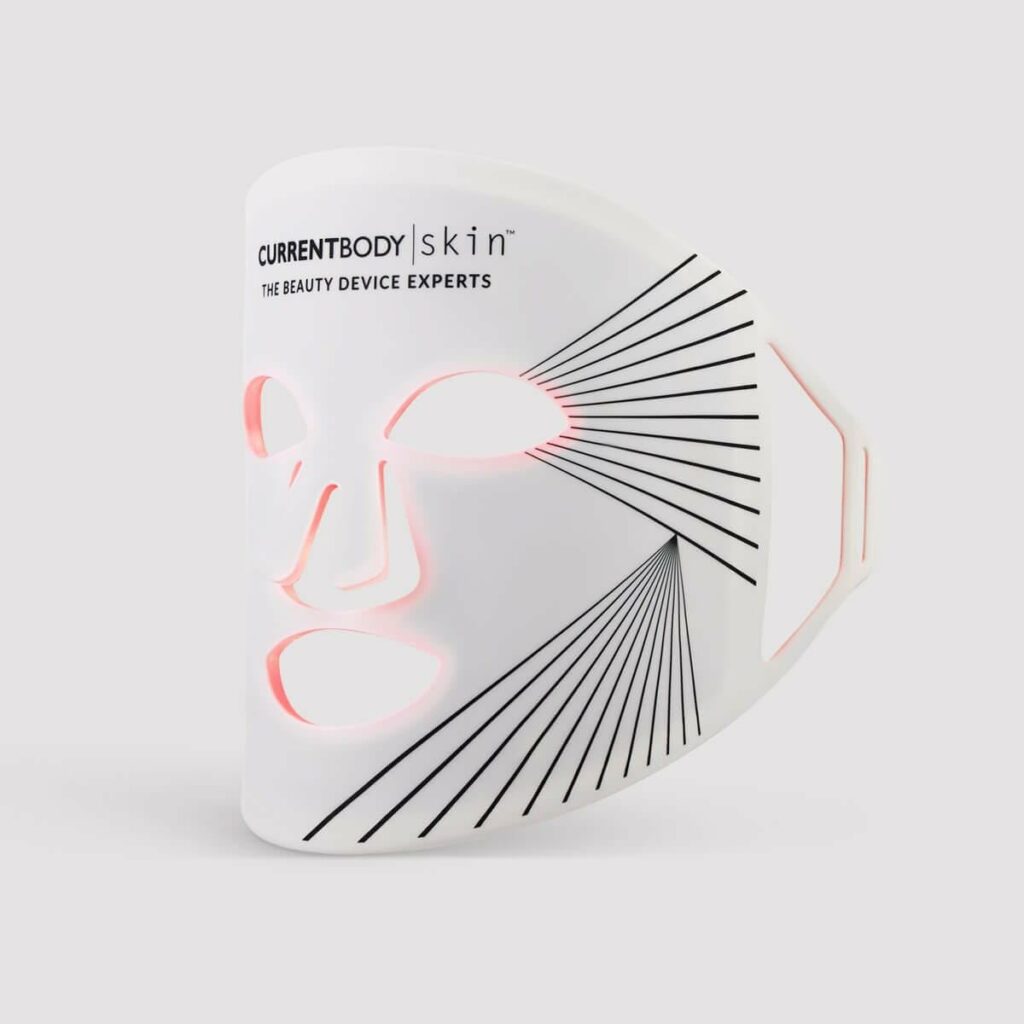
If I had to choose just one wellness principle, it would be this: design your lifestyle around your biology, not willpower. Most people think wellness comes from adding more; more supplements, more workouts, more routines. But in reality, our bodies already know how to sleep deeply, recover efficiently and regulate energy. The problem is that modern life constantly works against those natural systems. My biggest shift came when I stopped asking, “What should I do to be healthier?” and started asking, “What signals am I giving my body every day?”. Light exposure, sleep timing, temperature, movement, and even how we transition between stress and rest all act as biological instructions. Something as simple as getting natural light in your eyes within the first minutes of waking, reducing artificial light at night and switching to circadian friendly lighting, or creating moments of genuine recovery during the day such as leaning into red light therapy can profoundly change energy, mood and long-term health. And it doesn’t have to be an extra step in your day. I incorporate these practices alongside something I already do. For example I do Pilates in front of my BON CHARGE Super Max Red Light Therapy Device, wear my Red Light Face Mask whilst watching tv and sauna in my Infrared PEMF Sauna Dome whilst taking calls.

Jane Ollis, Founder of SONA
My top tip is to ditch the guesswork and look at your Heart Rate Variability (HRV). It’s the only objective metric we have for how much stress your nervous system is actually carrying. Once you know your baseline, you can stop talking yourself into thinking you’re ‘just tired’ and start making precision decisions about when to push and when to recover. True empowerment starts with having the data to prove what your body is actually feeling.

Ada Ooi, Founder of 001 Skincare London
As a Traditional Chinese Medicine practitioner with a background in neuropsychology, I often explain that the nervous system governs many of the body’s core functions, from hormones and digestion to immunity, sleep, and skin health. Chinese medicine has long described a similar idea through the relationship between the Shen (spirit) and the Yi (thinking mind). When the spirit is settled, the body’s systems can organise and function harmoniously. Warmth is one of the simplest sensory cues of safety for the brain. Gentle warmth, whether from warm, nourishing foods or warmth applied to specific acupressure points with targeted herbs can activate parasympathetic responses that support rest, digestion and repair. In Traditional Chinese Medicine, warming and gently stimulating key points also promotes the smooth circulation of Qi and blood, helping to nourish the organs and maintain internal balance. My clinical experience inspired me to translate these principles into simple rituals people can practise at home, which led to the creation of the 001 London health and wellness range including herbal foot soak and Thermal Hormone Balance Acu-Patch designed to reset the body’s natural systemic balance.

Hannah Joyce, Founder of Flexera
My top wellness tip is to keep it simple: commit to just one achievable wellness action each day. Whether it’s a five minute meditation or a quick home workout, focusing on one thing you can do, no matter where you are, prevents overwhelm and builds consistency.

Charlotte Vøhtz, Founder & CEO of Green People
As a beauty founder, my morning wellness ritual is simple: a vitamin-rich smoothie to nourish from within, while soaking in a bath with Epsom salts and planning the day ahead. I then head out for a brisk walk in nature. Being outdoors, even briefly, helps me reset, breathe deeply and reconnect with the natural rhythms that inspire so much of what we do.

Chrissy Dolan-Sundt, Founder, Silver Linings Wellbeing
Consistency over perfection. Where I get the best results for myself and with clients is when they move in a variety of ways every day. Creating the habit of rolling out the mat, even if it’s just for 10 minutes every day is vital. No excuses (other than illness). Moving more and moving consistently is what the mind and body craves. Long term it creates shifts in our energy and mood as well as creating a strong, healthy body. It’s not always exciting, it’s not always what you are in the mood for but it is what the body needs.

Nicola Alexander-Cross, Founder of  Peep Club
I absolutely swear by drinking Rooibos tea every night before bed. I’m originally from South Africa, where Rooibos originates, so it also reminds me of home – it’s packed full of antioxidants, has other benefits like lowering blood sugar levels and is the perfect warming night cap (sometimes I add honey and frothy milk for something more indulgent) plus, since it’s a herbal tea, it helps me squeeze in some hydration – something I really struggle with. 

Karen Betts, Founder of Karen Betts Clinics
I started Pilates this year to strengthen both my body and mind, and it’s been a game changer. It forces you to focus, build control and move with precision and that discipline carries straight into how I make decisions each day.

Claire Mills, Founder of Core LDN
A non-negotiable wellness habit for me is daily movement. I’d love to say that I carve time for full workouts most days but some days it’s just impossible to find an hour when you’re juggling real life. On these busier days I ensure I move my body and exercise in some way and think of it as a little movement ‘snack’. My go to’s are short mat Pilates workouts, jumping on the reformer for a quick stretch, heading for a run after school drop off or walking the long way round through the park to pick the kids up. I find these short forms of movement even if it’s just 10-20 minutes are enough to physically energise me, give me mental clarity and improve my mindset.

Jasmine Wicks-Stephens, Founder of Known and Faace Skincare
Last year I was fed up with taking a load of supplements but not really knowing if I needed them, so I took a blood test with a company called Now Often Always to understand which nutrients I was lacking in my diet to help me feel better. As part of this I had a few calls with their nutritionist to talk about my lifestyle and diet and understand my results. It was honestly the most game changing thing I’ve ever done in my wellness routine. Since then, I’ve taken a selection of supplements including probiotics, cod liver oil, and a multivitamin, plus added protein and a green smoothie to my morning routine in replacement of caffeine and I’ve not felt unwell in months. I was actually taking some of what I needed already, but they helped me to understand the best quality versions of all tablets to actually have an impact, plus added a few new probiotics and I honestly do feel like it’s made a world of difference to how I feel.

Danielle Close, Founder, My Skin Feels
My ultimate wellness hack is getting in a sauna, I’m from Brighton – the home of British sauna culture and I swear it has saved my bacon running my start-up. Not only is it a HUGE stress reliever, but it boosts your immune system and down here, they have replaced the pub, so it’s a really community-driven way to stay well. Plus if you’re brave enough you can jump in the sea after! 

Elissa Corrigan, Founder of Elle Sera
Book the blow-dry and the spray tan. Seriously. And I know I would say that coming from Liverpool, but it’s so true. This city was built on curly blows, but my mood is instantly lifted when hair is done and I look down at my arms and they aren’t ghostly. Wellness shouldn’t just be supplements, smoothies and meditation, it can be “I look great today” . That little boost of confidence you get when your hair actually looks good and your skin is bronzey. That changes your posture, your energy, your mindset for the entire day. I act differently when I’m in meetings, filming anything or just doing the school run. It’s a small investment with an outsized impact, sometimes cheaper than therapy and definitely quicker. Invest in the stuff that makes you feel good, not out of vanity, but because feeling good is literally part of being well.

Dr Helen O’Neill, Co-Founder of Hertility Health
When I’m looking to refresh my wellness routine, I start by looking at my hormones. They’re the key messengers regulating everything from my metabolism to my sleep cycles, yet they’re often the missing piece of the puzzle. Making hormone testing a regular habit gives me a clear, objective baseline of what’s happening inside. It gives me the data to stay in sync with my body. It’s the most empowering tool I have for staying ahead of my health.

Isabelle Nunn, Head of Nutrition at Wild Nutrition
To me, real wellness means feeling at ease: feeling rested enough to cope, nourished enough to thrive and emotionally resilient enough to respond instead of react. This year, focus is on self-kindness, making space to recover, regulate and reconnect. Honouring our hormones, nervous systems, immune systems and mental wellbeing so there’s less pushing through and more tuning in.

Carmen Grant, Higher Nature
Spring always gives me a lift – lighter and brighter days make it so much easier to get that hit of sunlight first thing in the morning which helps set my inner body clock- keeping me energised in the day and helping me get a good night’s sleep later, vital for a perimenopausal woman like myself. Our hardworking True Food® multivitamin is the cornerstone of my morning routine and helps me power these increasingly active days, covering all the essentials to fuel my active lifestyle and immunity, as well as keeping me mentally switched on and nourishing my hair and skin from within. It’s my go-to wellness product.


Scalp Care Is The New Skincare: The Rituals That Actually Support Hair Growth

For decades, we’ve obsessed over split ends, volume and the perfect blow-dry. But if the past few years have taught us anything, it’s this: healthy hair starts at the scalp. Recently, over Christmas, I had an incredibly itchy scalp – so itchy that I asked my husband to nit-check me (so glam!). No nits were discovered so i trundled off to an Aveda hair counter at Peter Jones in London that can do a scalp assessment on the spot. After a few minutes of rummaging through my hair with a high-tech magnifying glass the Trichologist (that’s a hair expert to you and me) declared I had an extremely dry, flaky scalp. Probably as a result of the winter, central heating, using a hair-dryer and not showing my scalp nearly as much love as I should. And the best part, is a nourished scalp produces a much better head of hair. Just as we’ve learned that glowing skin depends on a balanced, resilient skin barrier, thicker, stronger hair depends on the health of the environment it grows from. In fact, trichologists increasingly refer to the scalp as an extension of facial skin, complete with its own microbiome, oil production, inflammation triggers and aging process.

As well as my itchy, dry scalp I had also noticed a bit of thinning around my temples and a lack of density. It was time to rethink the routine…

Here’s how to build a scalp-first ritual that actually supports long-term hair vitality:

Product build-up, dry shampoo residue, pollution and excess sebum can all congest follicles. Over time, this can create an imbalanced scalp environment, which is not ideal for optimal growth. The key is thoughtful cleansing. Goldwell’s Dualsenses Scalp Specialist range focuses on cleansing and rebalancing the scalp and getting results fast. Ingredients include caffeine (often used to help energise the scalp), sage extract, and white tea extract, to deliver professional-grade care to your scalp and hair.

Meanwhile, trichology-led brand Philip Kingsley has long championed scalp health as the foundation of good hair. Their targeted scalp treatments, from exfoliating masks to soothing toners, are designed to rebalance sensitivity, reduce flaking and support barrier function. Think of this step as your double cleanse moment: clear away what doesn’t belong so actives can do their job. If you want some further care or are worried about hair loss or the state of your scalp, book yourself into the Philip Kingsley London Clinic, which is home to some of the world’s leading trichologists.

Regular exfoliation is key to help remove dead skin cells and product build-up, encouraging a cleaner environment for follicles. Beyond that, gentle stimulation boosts microcirculation by delivering oxygen and nutrients to the hair root. One tool tapping into this space is the Scalp Activation Derma Roller by Megi Wellness. Designed to create tiny micro-channels on the scalp, derma rolling is thought to support enhanced absorption of growth-supporting serums while encouraging circulation. As with facial micro-needling, consistency and hygiene are key. Used correctly, around 1-3 times a week, it can become a powerful addition to a weekly ritual. Follow with 3-5 drops of Growth Stimulating Hair Serum.

Serums aren’t just for your complexion. Modern scalp treatments now feature peptides, hydrating agents, niacinamide and barrier-supporting ingredients designed to calm inflammation and create a more resilient environment for hair to thrive. Kérastase approaches scalp care from a more sensorial angle, offering luxurious balancing and hydrating treatments that make the ritual feel indulgent as well as effective. For readers who want efficacy without sacrificing experience, this is where science meets self-care. Similarly, Philip Kingsley’s overnight serums and toners focus on soothing irritation and reinforcing the scalp barrier, especially important if stress, hormones or seasonal shifts have left your scalp reactive.

A new player when it comes to hair treatment is red light therapy, which has moved from dermatology clinics into our homes. Devices like the red light cap from Bon Charge use low-level laser or LED light wavelengths designed to stimulate hair follicles and encourage them to remain in the growth phase for longer. While results vary, emerging research suggests that consistent use may help support density in certain individuals. For wellness lovers who already swear by red light for skin and recovery, this feels like a natural extension of their routine, non-invasive, painless and easy to integrate.

No topical can override chronic stress, nutrient deficiencies or hormonal shifts. Hair is often one of the first places the body conserves energy when under strain. Elevated cortisol, low iron stores, thyroid imbalances and early perimenopause can all show up as shedding or thinning. If hair changes feel sudden, significant or persistent, it’s worth speaking to a GP, trichologist or functional practitioner to rule out underlying drivers. True regrowth is rarely about one miracle product, it’s about creating the right conditions internally and externally.


Understanding Food Intolerances in Children: A Parent’s Guide

words by Naomi Newman-Beinart, Nutritional Therapist

As a nutritionist and a parent, I know how challenging it can be when your child is struggling, and you’re trying to piece together why.

Maybe it’s persistent eczema that flares no matter how many creams you try. Maybe it’s ongoing tummy aches, constipation, loose stools or bloating. Or perhaps it’s less obvious: restless sleep, hyperactivity, difficulty concentrating, emotional outbursts that feel disproportionate, or a general sense that something just isn’t quite right.

When you’re in it, it can feel overwhelming. You want answers, and you want to help your child feel better.

One possible piece of the puzzle that’s often overlooked is food intolerance.

What is food intolerance?

A food intolerance is very different from a food allergy.

A food allergy involves the immune system producing an immediate IgE-mediated response to a specific food. Symptoms tend to come on quickly and can include hives, swelling, vomiting, wheezing or, in severe cases, anaphylaxis. Allergies are potentially serious and must always be managed under medical supervision.

Food intolerances, on the other hand, are typically non-IgE mediated and tend to be delayed and more subtle. Symptoms may appear hours or even days after eating the triggering food. They are rarely life-threatening, but they can significantly affect quality of life.

Because the reaction isn’t immediate or dramatic, intolerances can be much harder to spot.

How can food intolerances show up in children?

Food intolerances don’t always present in textbook ways. Yes, they can show up as:

  • Ongoing bloating or abdominal pain
  • Constipation or diarrhoea
  • Reflux
  • Eczema or persistent skin irritation

But they can also manifest more behaviourally or neurologically:

  • Hyperactivity
  • Poor concentration
  • Irritability or mood swings
  • Restless sleep
  • Headaches
  • Frequent “mystery” fatigue

Research has explored the relationship between food sensitivities and behaviour, particularly in children with neurodiversity, and suggests that food-related triggers may play a role for some children (1,2). 

This does not mean food intolerances cause ADHD –  neurodevelopmental conditions are complex and multifactorial – but it does suggest that dietary factors can exacerbate behavioural symptoms in certain individuals.

Similarly, there is growing research exploring links between gut health, immune activation and neurodevelopment (3), highlighting how interconnected these systems are.

The key message? Every child is different. But if symptoms seem persistent, cyclical or unexplained, food could be worth exploring.

Why are intolerances harder to spot

Unlike allergies, intolerances don’t usually create a clear “eat this → immediate reaction” pattern.

Instead, they may contribute to a cumulative load. Your child might tolerate a small amount of a food, but when it is eaten frequently, symptoms worsen. Or reactions might occur 24–72 hours later, making it very difficult to link cause and effect.

This is why many parents feel confused and often doubt themselves.

Where to start: Practical steps at home

Before jumping into testing, I always suggest starting with observation.

Keep a detailed diary

Track:

  • Foods eaten (including snacks and drinks)
  • Behaviour changes
  • Sleep patterns
  • Bowel habits
  • Skin flare-ups
  • Energy levels

Patterns often emerge over 2–4 weeks.

You might notice eczema flares after frequent dairy intake. Or more emotional volatility following certain processed foods. Or disturbed sleep after high-sugar days.

This information is incredibly valuable and vital to any health professional you may use to guide you on this journey. 

Avoid over-restricting

It’s important not to remove large food groups unnecessarily, particularly in growing children. Restrictive diets can impact nutrient intake and create stress around food.

Any elimination approach should be structured, time-limited, nutritionally balanced and under the guidance of a health professional.  

What about testing for food intolerance?

In the UK, standard NHS allergy testing typically looks for IgE-mediated allergies. Unfortunately, food intolerance testing is not routinely offered on the NHS, which can make it much longer to identify the possible trigger foods.

One option some families are keen to explore privately is the YorkTest FoodScan Junior test. YorkTest offers IgG-based food intolerance testing for children aged 2-17. Their junior test analyses IgG reactions to over 100 food and drink ingredients using a home-to-laboratory testing kit. The kit also includes an easy-to-read guide to traffic light intolerance values and a 30-minute consultation with one of their qualified nutritional therapists.

It’s important to understand that IgG testing is still debated within the medical community. Some professional bodies question whether IgG antibodies reflect intolerance or simply exposure to foods. However, many health professionals use results as a structured starting point to provide clarity where patterns feel unclear – not a diagnosis – alongside clinical history and symptom tracking.

Supporting your child holistically

Whether or not intolerances are involved, there are foundational steps that support most children:

  • Regular, balanced meals with adequate protein and fibre
  • Minimising ultra-processed foods
  • Supporting gut health with diverse plant foods
  • Prioritising sleep routines
  • Encouraging outdoor movement

Naomi Newman-Beinart is a registered nutritional therapist and health expert specialising in preventative nutrition and lifestyle medicine.

References

  1. https://pubmed.ncbi.nlm.nih.gov/34444758/
  2. https://www.sciencedirect.com/science/article/pii/S2213453024000752
  3. https://www.sciencedirect.com/science/article/pii/S2666379125000552

7 PDRN Serums and Creams That Deliver Healthier-Looking Skin

Korean skincare continues to set the pace when it comes to ingredient innovation. Snail mucin, tranexamic acid and Centella asiatica are just a few examples that now sit firmly within our routines. The latest to enter the conversation is PDRN, an ingredient rooted in Korean aesthetic medicine that’s being touted as skincare’s next barrier-boosting hero.

PDRN may feel fresh to our shop shelves, but it’s been used in Korean clinics for over a decade. “Korean skincare and aesthetics are estimated to be around 10 to 12 years ahead of us in terms of innovation,” says Dr Christine Hall, K-beauty expert and GP at TakTouk Clinic. “They really are pioneering the way in beauty.”

One of the earliest injectable PDRN treatments, Rejuran, launched in Korea back in 2014 – long before the ingredient began appearing in topical skincare here. “Ingredients like this are often used, tested and refined in Korea for years before they reach the UK,” Dr Hall explains. “By the time we see them, there’s already a strong track record behind them.”

At the heart of K-beauty is an emphasis on protecting and strengthening the skin barrier, rather than overwhelming it – and PDRN is used to support exactly that. According to Dr Hall, it helps to hydrate the skin, calm redness and reduce inflammation, which explains its popularity in formulas designed for sensitive or compromised skin.

While injectable polynucleotides remain the gold standard in clinic, topical PDRN offers a more accessible way to introduce the ingredient at home. As Dr Jinah Yoo, consultant dermatologist at Dr Jinah Yoo Dermatology & Anti-Ageing notes, “topical formulas are best viewed as a supportive step, particularly when the skin barrier needs calming or recovery.”

Ahead, we round up the best PDRN serums and creams that deserve a spot on your beauty shelf… 

  1. Medicube PDRN Pink Peptide Serum – £19.99

If glass-smooth skin is the goal, Medicube’s PDRN Pink Peptide Serum is a good place to start. Formulated with a 10,000ppm concentration of PDRN, alongside niacinamide and the brand’s five-peptide complex, the silky pink serum feels immediately hydrating and calming on application. With regular use, it helps support the skin barrier, fade pigmentation and boost glow. Tick, tick, tick!

  1. Dr.Althea PDRN Reju 5000 Cream – £26 

This is not a heavy, occlusive moisturiser. Instead, Dr.Althea’s PDRN Reju 5000 Cream has a lightweight, fast-absorbing texture that leaves skin feeling cushioned and comfortable. Best suited to skin prone to dryness and sensitivity, the formulation pairs PDRN with Centella asiatica, panthenol and multi-weight hyaluronic acid to support the skin barrier and maintain hydration.

  1. Anua PDRN Hyaluronic Acid Capsule 100 Serum – £20

This hydrating serum from Anua feels barely there on the skin. The water-like texture absorbs quickly, delivering hydration without any residue or shine. PDRN is combined with hyaluronic acid and hydrolysed collagen, while capsule technology helps release moisture gradually throughout the day. Ideal for dry or dehydrated skin, expect a refreshed, more radiant complexion after just one use. 

  1. Genabelle PDRN Vita Toning Ampoule – £26

If brightening is the aim of the game, this best-selling ampoule (aka a concentrated, serum-style step) from Genabelle is worth knowing about. Developed with sensitive skin in mind, the gentle formula combines 5,000ppm of PDRN with encapsulated vitamins and a mix of hydrators to support the skin barrier while delivering good glow. Apply morning or night and gently roll the capsules into the skin. 

  1. Haruharu Wonder Rose PDRN Firming Serum – £16

Alongside vegan Rose PDRN and peptides, this serum contains a low-dose 0.1% retinal to help refine texture and support firmness without overwhelming the skin. It reflects a wider K-beauty approach to actives, favouring encapsulated or lower-strength forms to minimise irritation. Best used in the evening, it suits skin looking to gently improve tone, texture and overall skin quality over time.

  1. Dr. Reju-All Advanced PDRN Rejuvenating Cream – £37.42

This is one of the richer options in the line-up, making it well suited to skin that’s in need of extra comfort. The nourishing cream is formulated with a high level of purified, pharmaceutical-grade PDRN, alongside niacinamide, panthenol and hyaluronic acid, to support hydration and barrier repair. If you’re dealing with post-treatment dryness or a weakened skin barrier, this is the perfect pick. 

  1. VT PDRN Essence 100 – £32

If fish-derived PDRN isn’t for you, this ginseng-based vegan option is worth considering. The texture sits somewhere between an essence and a serum, with a milky feel that sinks in speedily and leaves skin feeling hydrated but not coated. Panthenol, ceramides and squalane help reinforce the barrier, while the fragrance-free formula makes it a good choice for sensitive skin.

What does PDRN do for the skin?

PDRN is best understood as a barrier-supporting ingredient, valued for its calming and restorative effects rather than dramatic results. While research into its exact mechanisms is still evolving, dermatologists tend to view topical PDRN as a recovery step – something that helps skin settle, rebalance and strengthen over time.

“PDRN is a DNA-derived compound studied for tissue repair,” explains Dr Yoo. “With topical use, patients are more likely to notice skin that feels calmer, better hydrated and less reactive, with a stronger-looking barrier after several weeks of consistent use.”

In clinic, Dr Yoo finds it most useful for skin that needs support – for instance, post-procedure. Used as a serum or moisturiser step, particularly in the evening, it works well alongside other barrier-focused ingredients such as ceramides, hyaluronic acid, panthenol and niacinamide.

Can PDRN replace polynucleotide treatments?

In short, no – and the experts are keen to be clear on that distinction. “The strongest evidence is for injectable polynucleotides,” says Dr Yoo. While topical PDRN is promising, penetration remains a key limitation, meaning its effects are supportive rather than comparable to in-clinic treatments.

Topical products contain PDRN (polydeoxyribonucleotide), while injectable treatments use PN (polynucleotides). The two are closely related, but delivery makes a significant difference. When injected, polynucleotides can stimulate fibroblasts (the cells responsible for collagen production), leading to measurable changes in skin thickness, texture and repair. Injectables were originally studied for wound healing, including burns and diabetic ulcers, which is why their regenerative potential is so well documented.

By contrast, PDRN is a large molecule – making it unlikely to penetrate deeply enough through intact skin to stimulate collagen in the same way. That doesn’t mean topical PDRN has no value, just that its role is different. As Dr Hall explains, “skincare ingredients don’t need to be classed as medical devices, so they aren’t held to the same evidential standards. Instead, dermatologists consider biological plausibility and real-world use.”

A helpful comparison is collagen in skincare – while topical collagen doesn’t increase collagen levels in the skin, it still acts as an effective humectant, improving hydration and skin comfort. In the same way, topical PDRN may not trigger deep regeneration, but it can be very effective at calming, soothing and supporting skin. Dr Yoo also notes that encapsulation or lipid-based delivery systems may improve performance, and that PDRN can be particularly useful post-procedure, when the skin barrier is temporarily more receptive during recovery.

Which skin types and concerns benefit from PDRN-serums? 

PDRN skincare is generally well tolerated, though it’s worth noting that many formulas are derived from salmon DNA, so those who are vegan or avoid fish-derived ingredients may prefer plant-based alternatives. Otherwise, it suits most skin types and is particularly useful when the skin is compromised – whether that’s due to dryness, irritation from overusing actives, inflammatory conditions such as rosacea or eczema, or post-treatment recovery. In these situations, PDRN works best as a reinforcing step, helping to restore comfort and support overall skin resilience.

words by Emma-Jade Stoddart


The Spring Jackets You Need This Season

We’ve honed in on 5 amazing brands who are wooing us with their latest collection of Spring jackets. Get ready to be excited for warmer, lighter and brighter days ahead…

H&M

Zara

Zara Rib High Neck Bomber Jacket, £49.99

Free People

COS

COS Technical Parka Hooded Jacket, £119

TOPSHOP

Topshop Washed Zip Front Jacket With Contrast Zip, £70


Mother’s Day Gift Guide

Adidas Samba OG Shoes, £100
Bamford Geranium Hamper, £195
Aroma Zone Arnica & Helichrysum Essential Oil Roll-On, £4.50
With Nothing Underneath The Coffee Twin Set, £325

Ibiza’s Hidden Gems: Where to Stay, Swim, and Savour the Slow Life

Like many of the Hip & Healthy team, Ibiza is a destination we return to time and time again; chasing one or both of the island’s distinct energies. There’s the tranquil, wellness-focused Ibiza of early-morning swims and sunset yoga, and the vibrant, creative Ibiza of late starts, long lunches, beach beats, and incredible music. In this guide, I’m highlighting a few spots you may not have discovered yet, ones that should absolutely be on your booking list to escape the grey or plan this summer’s getaway.

This is a guide for those who love Ibiza’s magic but prefer to experience it at a slower, more intentional pace where wellness, nature, and understated luxury quietly take centre stage.

My Ibiza, at a glance:
Best areas for slow Ibiza: Santa Eulària and the North
Ideal time to visit: May–June and late September


Aguas de Ibiza Grand Luxe Hotel

Located in the charming coastal town of Santa Eulària, Aguas de Ibiza is a five-star eco-luxury hotel that feels both cosmopolitan and calming. It sits by the marina, just a short stroll from the town’s cultural centre, but remains blissfully quiet on the outskirts. From the hotel, it’s an easy walk into Santa Eulària’s promenade; lined with boutiques, gelato stops, and waterfront restaurants, yet returning to the hotel always feels like stepping back into a private retreat.The design is modern Mediterranean: sweeping curves, sun-warmed stone, and airy, ocean-view terraces. 

Stepping into our Premier Bay Room felt like walking into a film set: both puzzling and wonderful. You enter through a softly lit bathroom of stone tiles and golden uplighting, complete with a freestanding tub and double vanity. Sheer curtains diffuse the light before you realise the bedroom lies through the bathroom. Pull back the curtains and you’re met with a king-sized bed, a writing desk, and a balcony overlooking the sea. The palette: sandy stone, warm orange, and crisp white, makes the space feel serene yet sophisticated. The unusual curtain dividers invite you to explore the room, turning each reveal into a small moment of wonder. Rooms feel thoughtfully designed for slow mornings and unhurried evenings, with light that shifts gently across the space throughout the day.

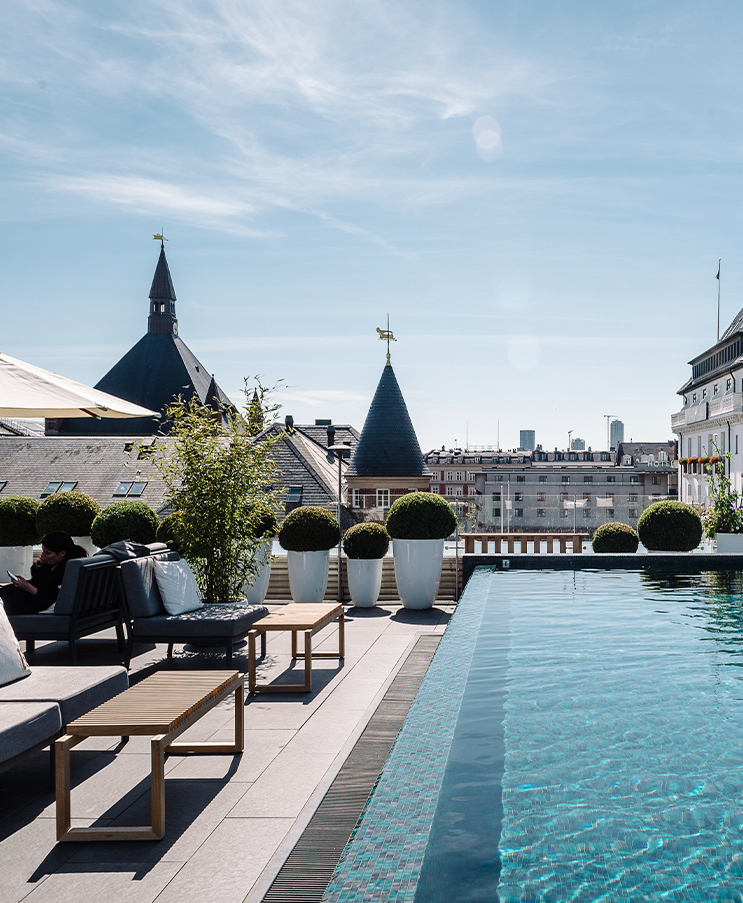
The hotel continues to surprise. There are two pools; one at ground level and a spectacular rooftop infinity pool that blends seamlessly with the sea views. The rooftop is home to Maymanta, the Peruvian-fusion restaurant from chef Omar Malpartida, known for its colourful ceviches and sunset cocktails. By late afternoon, the rooftop fills with the sound of clinking glasses, salt in the air, and that particular golden light Ibiza does better than anywhere else.

Mornings begin with an expansive breakfast spread: fresh tropical fruit, Ibizan pastries, made-to-order eggs, cold-pressed juices, and strong coffee enjoyed on the terrace overlooking the marina. It’s the kind of breakfast that quietly stretches into brunch.

The Revival Spa by Clarins, complimentary for hotel guests, was a highlight of my stay. The hydrotherapy circuit includes a vitality pool, sauna, hammam, salt room, and ice fountain – a wellness escape that feels distinctly Ibiza: luxe without pretense.

There’s a quiet elegance to Aguas de Ibiza that’s hard to define but easy to feel. The guests are a mix of well-dressed couples, solo travellers with books by the pool, and families who value calm over chaos. It never feels showy, but it always feels considered. It’s the kind of hotel that gently nudges you into a slower rhythm: mornings that begin with sea swims, afternoons spent drifting between spa and sunbed, and evenings that unfold over long dinners and soft light.

Don’t miss: the rooftop at golden hour with a Pisco Sour from Maymanta, and a sunrise dip before breakfast.

Cala San Miguel Resort

The north of Ibiza is arguably the island’s most beautiful and unspoilt area. As you drive Into the North (to borrow their tagline), you reach Cala San Miguel Resort, a destination that’s part sanctuary, part playground. The drive itself feels like part of the experience: winding roads through pine forests, glimpses of sea between trees, and a sense of gradually leaving the busier parts of the island behind. Set on a sheltered cove, the resort spans two main buildings with multiple restaurants, four pools, two gyms, and a panoramic rooftop. It can feel large at first; but once you settle in, it’s a world of its own.

Rooms are bright and contemporary, with natural textures, soft neutral tones, and balconies that frame the cove below. Many feel designed for slow mornings: coffee on the terrace, bare feet on cool tiles, and no reason to rush anywhere.

I began, naturally, in the upper-level gym overlooking the sea. After a few days of travel, the idea of working out with that view was irresistible. The space is minimalist but well-equipped, and the view alone makes you linger longer than planned.

Dinner that evening started with a sunset cocktail at the Mirador Bar, followed by Paseo Rooftop, where live music soundtracked a fresh Mediterranean buffet.

The next day, I drifted to the Beach Club, the resort’s calmest corner with private loungers, a serene pool, and direct beach access. It’s the perfect base for a slow day between dips in the sea and iced rosé refills. Come evening, Beach Club Restaurant turns into a feet-in-the-sand dining experience: the paella is a must.

This part of Ibiza hums at a slower frequency. There’s still music by the pool, but it’s curated, gentle beats that remind you you’re in Ibiza without overpowering the peace. At night, the soundscape shifts from daytime playlists to low-key live music and distant waves, a reminder that you’re somewhere both alive and deeply restful.

Cala San Miguel feels ideal for travellers who want nature, space, and ease a softer alternative to Ibiza’s more frenetic hotspots, without losing the island’s sense of energy and character. It’s especially suited to those who want to feel immersed in nature while still having access to thoughtful design, good food, and subtle entertainment.

Don’t miss: morning swims in the cove, dinner at the beach club and exploring nearby villages like San Juan for local markets and artisan finds.

Where to Swim (Beyond the Obvious Beaches)

Ibiza’s true magic often reveals itself in its quieter coves, places where the water is impossibly clear and the crowds feel far away.

• Cala d’en Serra : Wild, cinematic, and perfect for snorkelling
• Cala Xarraca : Dramatic rocks and crystalline water in the north
• Pou des Lleó : Rugged, local, and beautifully understated
• Portinatx Cove : A hidden northern gem, ideal for a post-lunch dip

Restaurants & Wellness Spots to Bookmark

While you’re on the island, it’s worth giving in to the hype and sampling a few of Ibiza’s most beloved spots: they’ve earned their reputation for a reason.

Cala Gracioneta: A boho-luxe beach restaurant tucked into a tiny cove near San Antonio.
Wild Beets (Santa Gertrudis): Plant-based perfection. Everything is colourful, vibrant, and nutrient-packed. Their raw lasagna and beetroot carpaccio are local favourites.
Giri Café (San Juan): An Ibizan institution serving organic, farm-to-table fare in a dreamy garden setting. Ideal for long, lazy lunches.
La Torre (Cala Gració): A sunset must. Arrive early, order a spritz, and watch the sky change while DJs play chilled Balearic beats.
Marta Yoga (Santa Eulària): Organises private yoga sessions, sound baths, and massages either at their tranquil studio or your hotel.
• Bar Anita (San Carlos): A local legend. No-frills, authentic, and always buzzing with island residents. Perfect for a tapas lunch.
• Portinatx Cove: A hidden swimming spot on the northern coast, framed by cliffs and clear blue water, ideal for a post-lunch dip.


Accessory Edit: The It-Pieces Taking Over Copenhagen

If Copenhagen Fashion Week proved one thing, it’s that accessories are no longer the finishing touch, they are the outfit. But true to Scandi style, nothing felt overdone or impractical. These were pieces designed to be worn on repeat, woven seamlessly into everyday life, from coffee runs to commutes and everything in between.

Here are the accessory trends we’re genuinely excited to wear now.

The Big, Beautiful Bag

Oversized totes and slouchy shoulder bags dominated the streets, roomy enough for laptops, gym kits and the inevitable extra layer. Structured but soft, practical yet polished, these are bags that work hard without feeling boring.

The takeaway? Invest in one great everyday bag and let it live its life with you.

Scarves, Styled Casually

Scarves were everywhere at Copenhagen Fashion Week, loosely wrapped around the neck, draped over shoulders, or pulled up and worn as hoods. Silk, wool, and lightweight knits all had a moment, adding warmth, texture, and personality with an effortless, off-duty feel.

It was a styling move that felt both practical and intentional, the simplest way to elevate an outfit while staying weather-ready.

Sunglasses, Whatever the Weather

At Copenhagen Fashion Week, sunglasses were unapologetically oversized. Bold, face-framing frames were worn regardless of cloud cover, adding instant attitude to pared-back tailoring, knits, and layered looks.

More than practical, they functioned as a styling anchor,  proof that at CFW, confidence comes oversized, rain or shine.

Back in Style: Brooches

At Copenhagen Fashion Week, brooches made a stylish comeback. Layered, offset, and instinctively styled on tailoring, knits, and scarves, they felt less like trends and more like personal talismans, jewellery that becomes part of you.

Hats That Made the Outfit

Headwear had a real moment in Copenhagen, and not just of the practical, bad-weather variety. Pillbox hats popped up across the streets, adding a subtle nod to retro dressing without feeling overly formal. Worn with oversized coats, relaxed tailoring and flat shoes, they felt modern, confident and surprisingly easy.

Alongside them, soft faux-fur hats brought texture and warmth, styled in a low-key way that felt more everyday than statement. Think cosy, not costume, the kind of piece that elevates a simple coat-and-knit combo on colder days.

Shoes Made for Walking

Comfort-first footwear was a standout, think chunky loafers, ballet flats with a twist, and low-heeled boots built for long days. Stylish, yes, but clearly chosen for real movement and real lives. Because what’s the point of fashion if you can’t walk through your day comfortably?

Solomon, XT6 Gore-Tex Trainers £185